Author: admin

  • Aeration Air Flow Measurement in One of the Leading Pharmaceutical Industries, India

    Aeration Air Flow Measurement in One of the Leading Pharmaceutical Industries, India

    air flow meter in pharmaceutical industry

    Aeration Air Flow Measurement Problem:

    An Integrated pharmaceutical plant with various departments such as API bulk drugs, tablets, liquid syrup manufacturing facility has a variable load of effluent water with a wide range of toxic organic and inorganic effluent into the effluent treatment plant for processing. This poses a challenge to maintain DO levels with respect to aeration air injection for BOD,COD & TOC control as per regulatory norms for resuage.

    Air Blowers are operated on a fixed pressure control loop which creates a problem on inefficient DO controls. DO is a function of air flow not pressure. Efficient Dissolved Oxygen ( DO) control is a challenge to obtain without accurate aeration air flow metering. Ineffective DO control means loss of energy and insufficient bacterial growth for optimum BOD levels.

    Aeration Air Flow Measurement Solution:

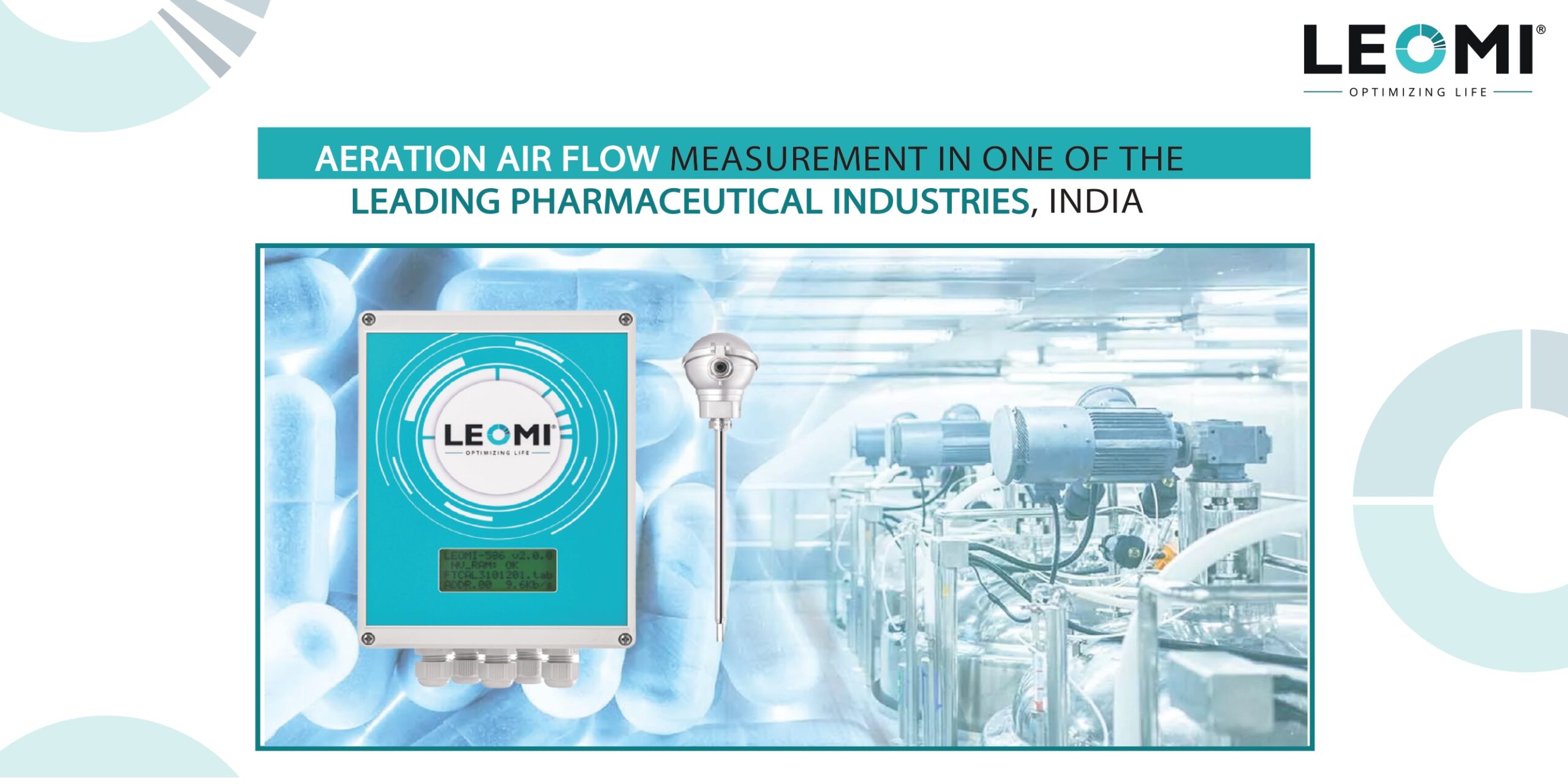
    Leomi – 586 Insertion Thermal Mass flowmeter

    • Doesn’t require a shutdown for installation
    • High turndown down ratio of 100:1
    • No pressure drop against the existing flow meter installed saves energy cost
    • Allows leakage detection with better accuracy
    • No maintenance than the existing flow meter used.

    Application

    Aeration air flow rate monitoring for control of Dissolved Oxygen levels in Effluent primary treatment plant.

    Customer

    India’s biggest Pharmaceutical drugs manufacturing group, Gujarat.

    Product

    LEOMI- 586, Insertion Thermal Mass Flowmeter

    Why Leomi?

    • An ISO 9001:2015 company, Startup India recognized
    • German technical collaboration Engineered in India
    • India’s First In-house fully automatic wind tunnel calibration system
    • Product quality proven for more than 20 years installed worldwide.

    Installation Facts

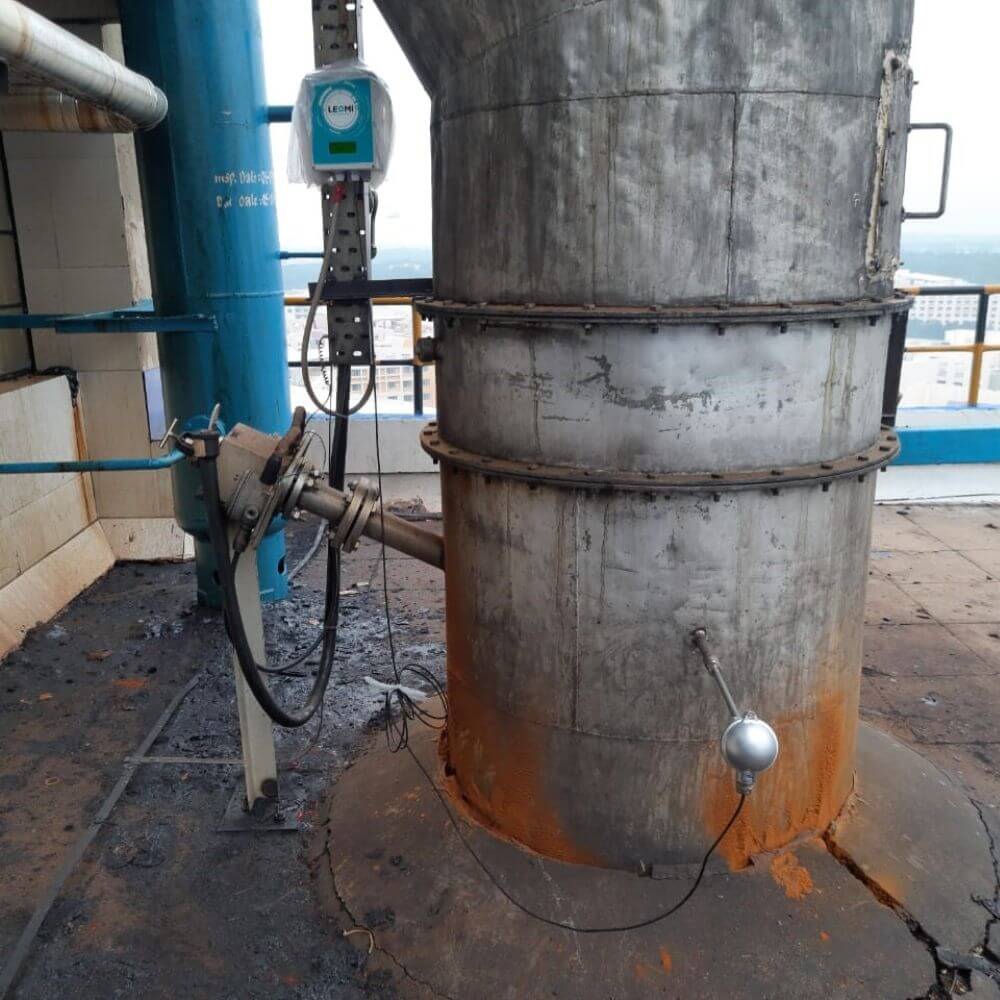
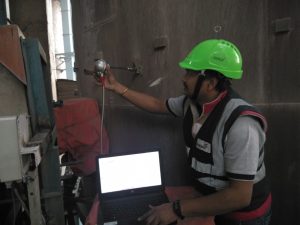
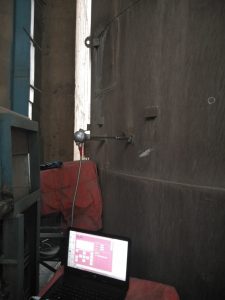
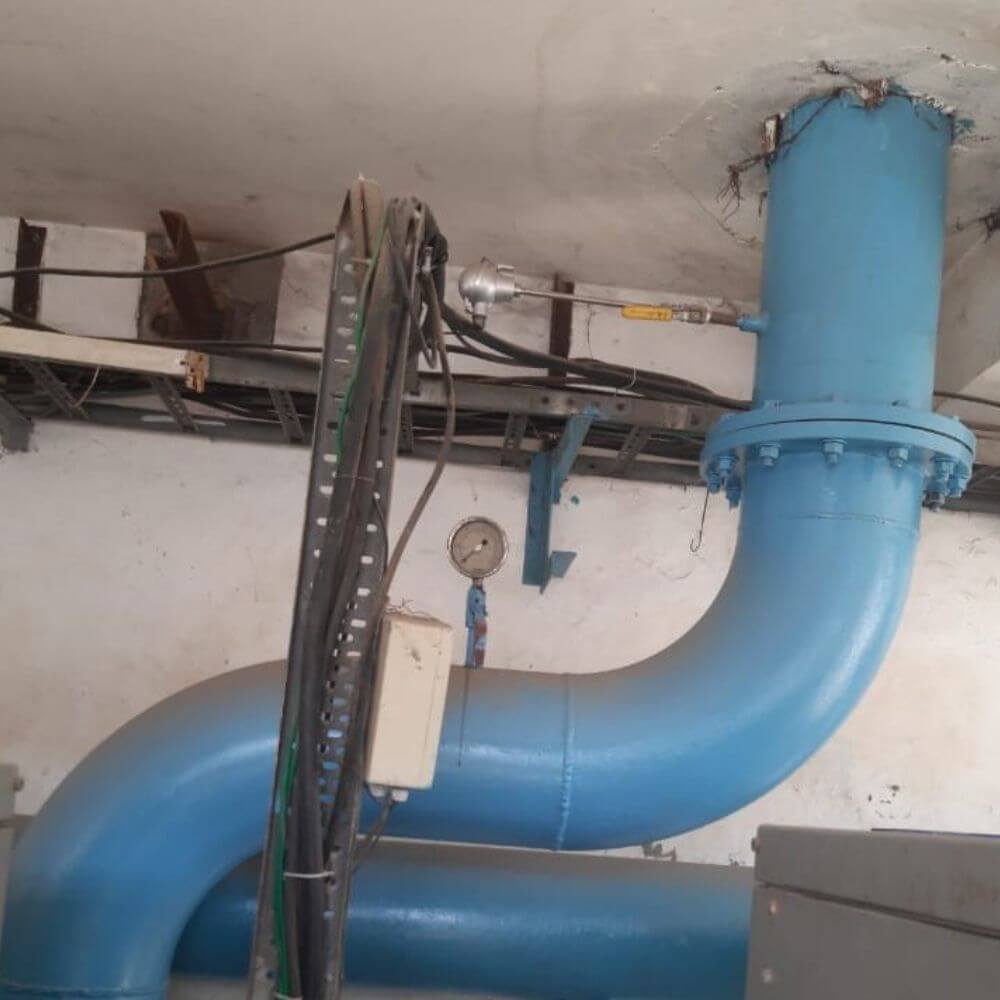
    Leomi 586 is installed in the main branch of the Aeration air from Roots Blowers on 12” (DN300) pipe with 1400 Nm3/hr flow rate working for 5 years satisfactorily. Customers have repeated orders for their new projects last year 2021.
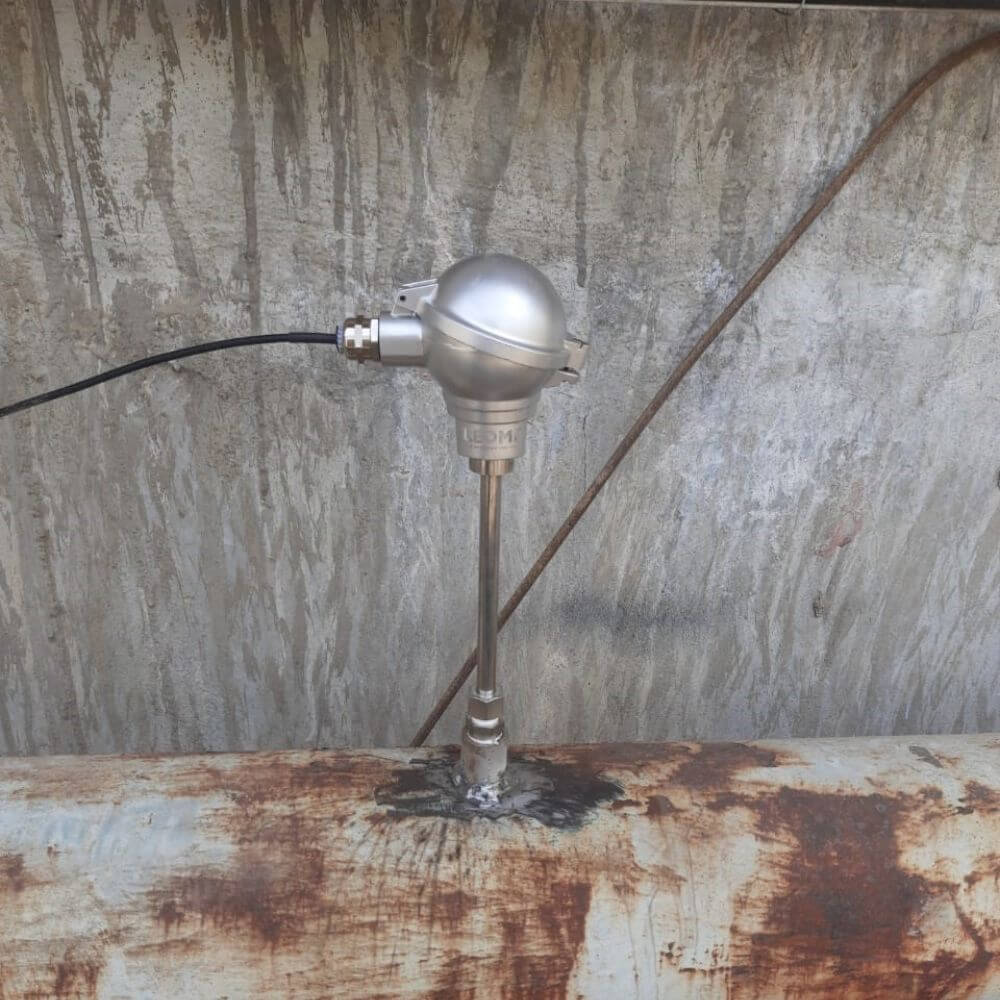
    Air flow meter is applied in pharmaceutical industry
    application of air flow meter in pharmaceutical industry
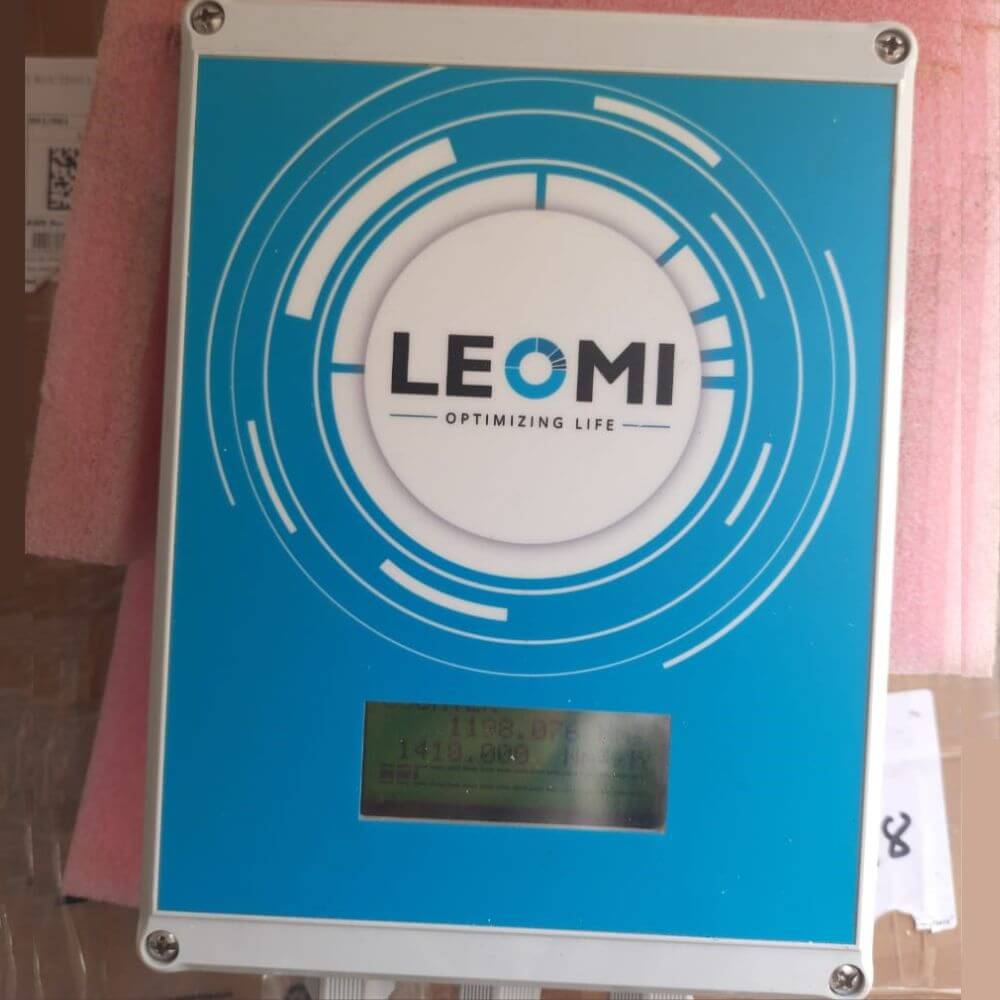
    Leomi air flow meter box connected to device

    Download the Complete Case Study

    Download

  • Hot Air Flow Measurement for Optimizing Coffee Bean Roasting in Food Industries, India

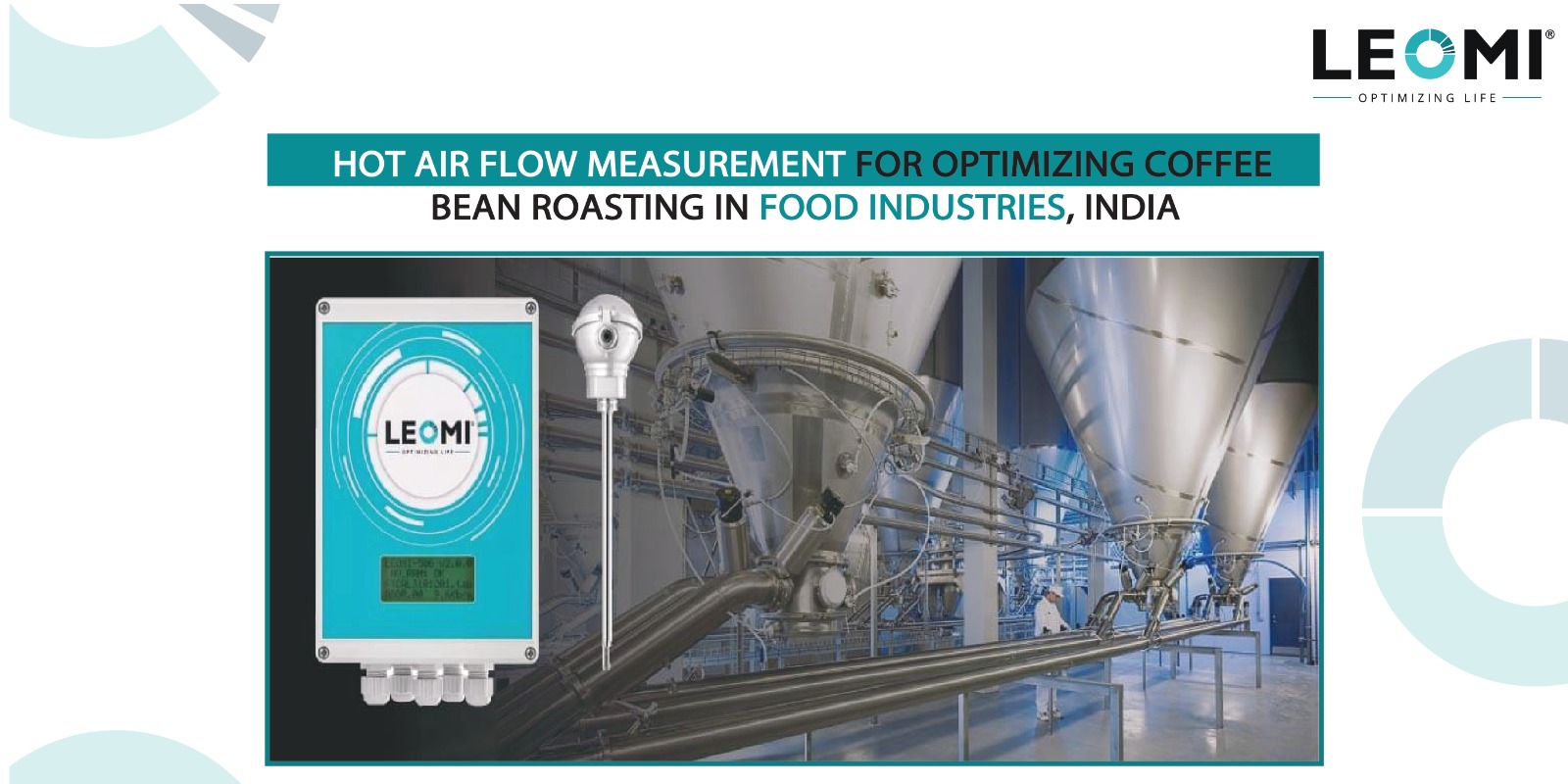
    Hot Air Flow Measurement for Optimizing Coffee Bean Roasting in Food Industries, India

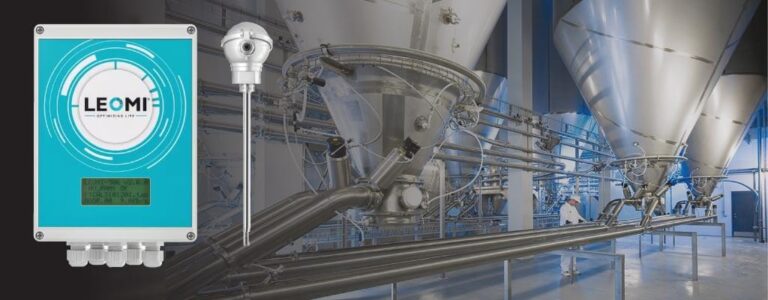
    Air flow meter in coffee production in food industry

    Problem

    In Coffee production process, Roasting is the most critical process on coffee beans. Where heat is transferred by air flow rate on coffee beans is crucial by which taste, aroma & color are developed by air through roast. It removes chaff & small particles from the beans during roasting. Air flow is a key role in controlling a roast. Too low airflow leads to Blowers high energy consumption & low quality of roasting with high impurities, Whereas high airflow potential leads to tipping, where the edges of the beans become scorched. Due to the intense heat, the outside of the bean burns before the inside has an opportunity to develop.

    Solution

    Leomi – 586 Insertion Thermal Mass flowmeter

    • High turndown down ratio of 100:1 instead of DP type ( 4:1)
    • No pressure drop, Works well even in high temperature & low velocity
    • High accuracy upto (±2%) against available DP flowmeter (±4% FSD)
    • Doesn’t require shutdown for installation & Adjustable
    • No clogging due to air laden dust
    • No maintenance than the existing flow meter used.

    Application

    Hot Air Flow Measurement for Optimizing Coffee Bean Roasting in Food Industries, India

    Customer

    Reputed Coffee Production Unit, India

    Product

    LEOMI- 586, Insertion Thermal Mass Flowmeter

    Why Leomi?

    • An ISO 9001:2015 company, Startup India recognized
    • German technical collaboration Engineered in India
    • India’s First In-house fully automatic wind tunnel calibration system
    • Product quality proven for more than 20 years installed worldwide.

    Installation Facts

    Leomi 586 is installed in the square (1100mm) & circular duct ( 2000mm dia) of Hot air blower outlet Successfully working for since July’ 2021 with excellent repeatability.

    Air Flow Measurement in coffee production unit
    Air flow meter in food industry

    Download the Complete Case Study

    Download

  • Combustion Air Flow Measurement in Thermal Power Plant, India

    Combustion Air Flow Measurement in Thermal Power Plant, India

    COMBUSTION AIR FLOW MEASUREMENT IN THERMAL POWER PLANT

    Problem

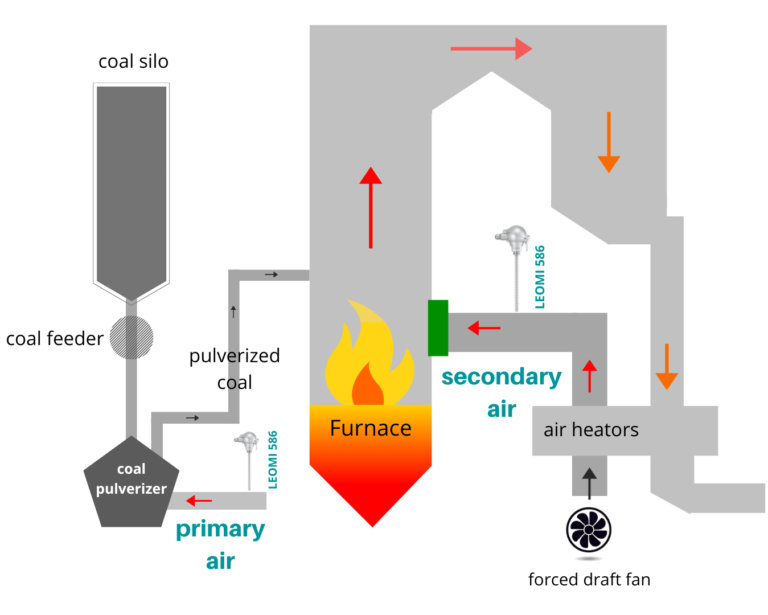
    Captive Thermal Power Plant produces heat energy and electricity. Efficient operation of today’s thermal power plant depends largely upon accurate and repeatable measurement of primary and secondary air flow to coal mills. Combustion air plays an important role to maintain air-fuel stoichiometric ratio for optimal combustion of fuel in boilers.

    • Primary air has high volume at very low static pressure in large ducts.
    • Low velocity & high temperature from 150⁰C to 400⁰C from APH (Air preheater)
    • Differential pressure flowmeters (Aerofoil or Pitot-tube) don’t work at low flow rates.
    • Existing DP flowmeter has high pressure drop & low accuracy upto (3%-4% FSD).

    Solution

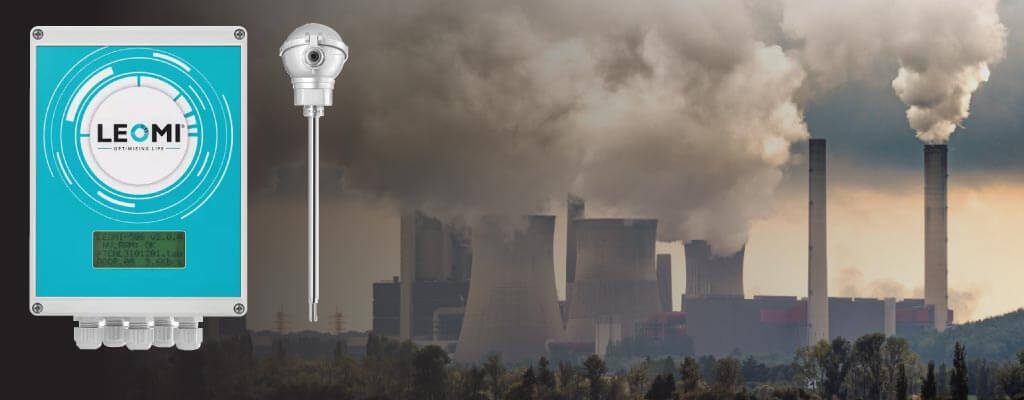
    Leomi – 586 Insertion Thermal Mass flowmeter

    • High turndown down ratio of 100:1 against 4:1 of existing installation.
    • No pressure drop, Works well even in high temperature & low velocity
    • High accuracy upto (±2%) against DP flowmeter (±4% FSD)
    • Doesn’t require shutdown for installation
    • No clogging due to air laden dust
    • No maintenance than the existing flow meter used.

    Application

    Combustion Air flow measurement in Thermal Power Plant

    Customer

    Reputed 200MW Captive Thermal Power Plant in Cement Plant complex, India.

    Product

    LEOMI- 586, Insertion Thermal Mass Flowmeter

    Why Leomi?

    • An ISO 9001:2015 company, Startup India recognized
    • German technical collaboration Engineered in India
    • India’s First In-house fully automatic wind tunnel calibration system
    • Product quality proven for more than 20 years installed worldwide.

    Installation Facts

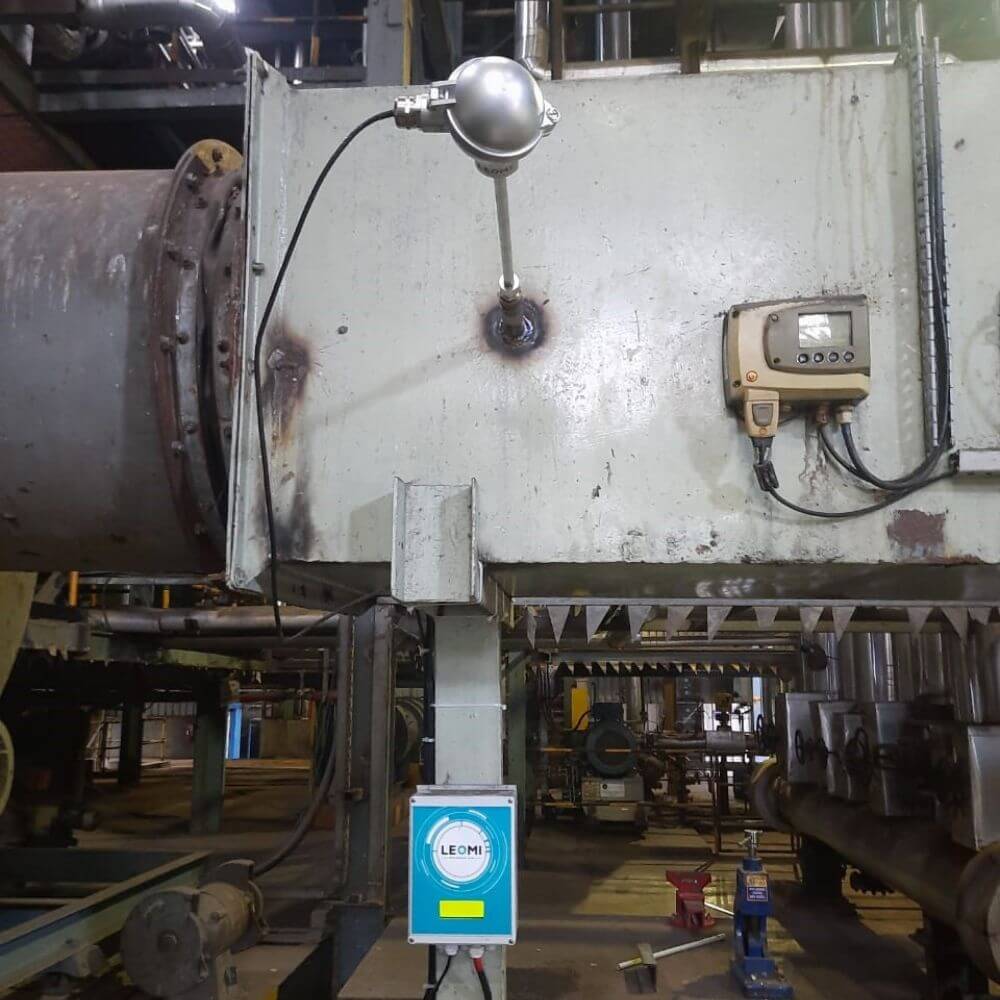
    Leomi 586 is installed at the ID Blower Fan outlet for Primary air flow into Boiler with rectangular duct of 1400mm X 1200mm and flow rates upto 1,20,000 Nm3/hr. It has been working for the past 10 years without any maintenance.

    Combustion Air flow measurement in Thermal Power Plant

    Download the Complete Case Study

    Download

  • Why is the Actual Mass Flow Rate Important in Gas Flow Measurement?

    Why is the Actual Mass Flow Rate Important in Gas Flow Measurement?

    Importance of Actual Mass Flow Rate in energy plant

    Gas mass flow measurement is always a challenge in process conditions. There are very few flow technologies available for achieving it such as Coriolis, Calorimetric ( Thermal Mass) etc..Gas volume varies with respect to temperature and pressure as per Charles & Boyle’s law but Gas mass remains constant. This is the main reason to measure actual mass flow rate is important to monitor in processes.

    Let’s understand the difference between Standard & Actual Flow Rate first.

    Standard Flow Rates

    Standard flow rate is a flow rate of gas at specific pressure and temperature conditions. It is dependent on pressure and temperature conditions. It is termed as Standard volumetric
    (Sm3/hr or SCFM) or Standard Mass flow rate (Kg/hr at specific standard conditions).

    There are different standards conditions used internationally such as :

    • ISO2533 (1.01325bara @ 15°C );
    • DIN 1343 ( 1.01325bar @ 0°C);
    • Standard (1.01325bar @ 20°C) etc.
      (above with 0% relative humidity conditions generally or sometime varying conditions )

    Actual Flow Rates

    Actual Flow rate is a flow rate of gas at different pressure and temperature conditions, It is independent of pressure and temperature conditions. It is termed as Actual Volumetric ( Am3/hr or ACFM ) or Actual Mass Flow Rate (Kg/hr at actual process conditions)

    Importance of Actual Mass flow rate measurement

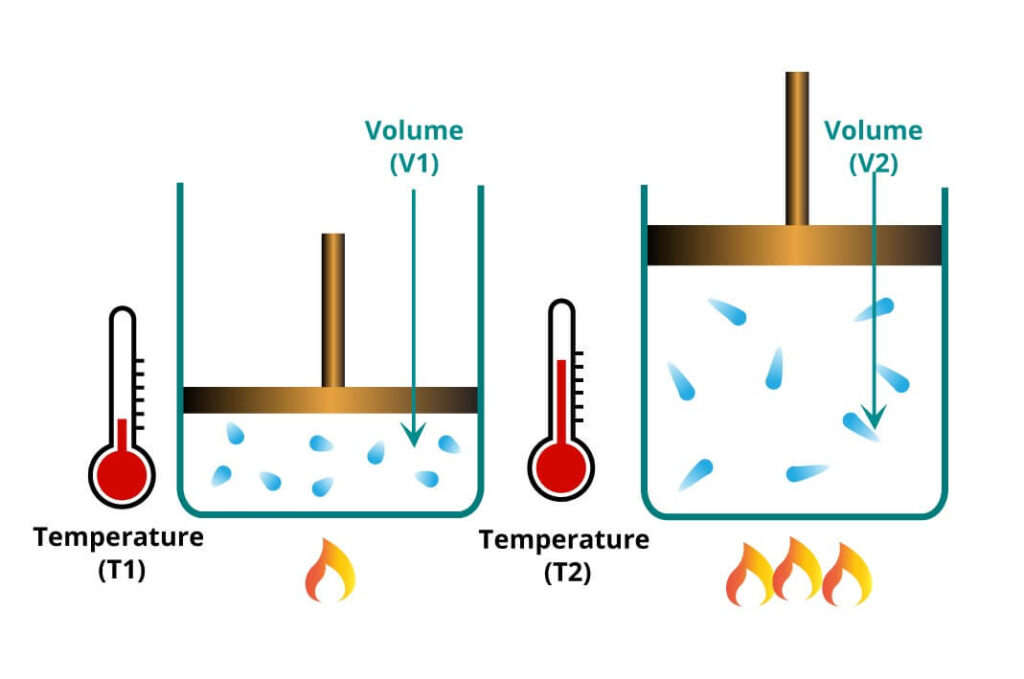
    As per Charles Law states that at constant pressure ideal gas volume increases with increase in temperature or gasses expands when heated.

    Boiling water at different temperatures

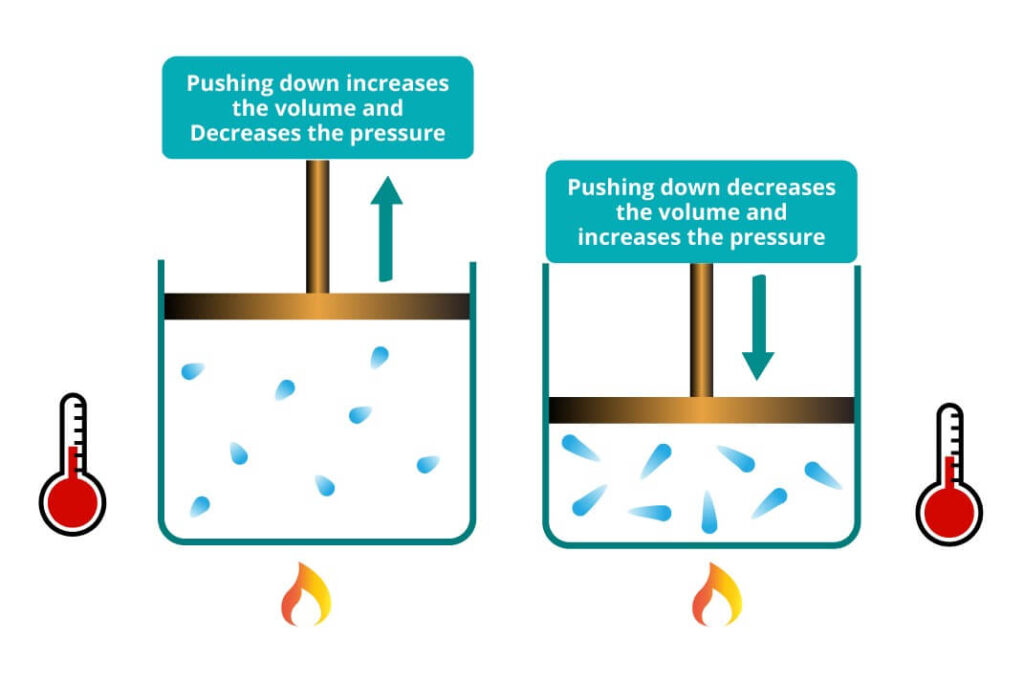
    And Bolye’s Law states that at a constant temperature ideal gas volume is inversely proportional to pressure applied on the gas. It implies at constant temperature volume increases when pressure decreases and gas volume decreases when pressure increases.

    Pressure change by moving changing volume

    From above laws we understand that measuring volumetric gas flow rate gives a huge measurement error due to the fact that gas volume varies with changing temperature & pressure conditions.

    Therefore, we must measure the actual mass flow rate of gas for an accurate measurement for controlling the process conditions.

    Leomi 587 Insertion Thermal Mass Flow Meter for Actual Mass / Volume Flow Rate measurement is developed considering the process industry’s real requirement for optimizing process conditions with accurate and real measurement.

  • LEOMI 587 – A Perfect Choice for Compressed Air Auditor

    LEOMI 587 – A Perfect Choice for Compressed Air Auditor

    Leomi 587 mass flow meter for compressed air auditor

    Modern industries have to provide an efficient and productive manufacturing operation where compressed air plays an important role as utility after water. Compressed air is an important medium for transfer of energy in many industrial processes. It has wide usage in manufacturing processes such as pneumatic conveying of bulk materials, pneumatically operated machinery such as Airjet looms, aerated bottling plant, spray paint booths, pet bottle machinery, printing machinery, CNC machines, HVAC controls etc & power tools such as valves, drills, air hammers, wrenches and many more for process automation.

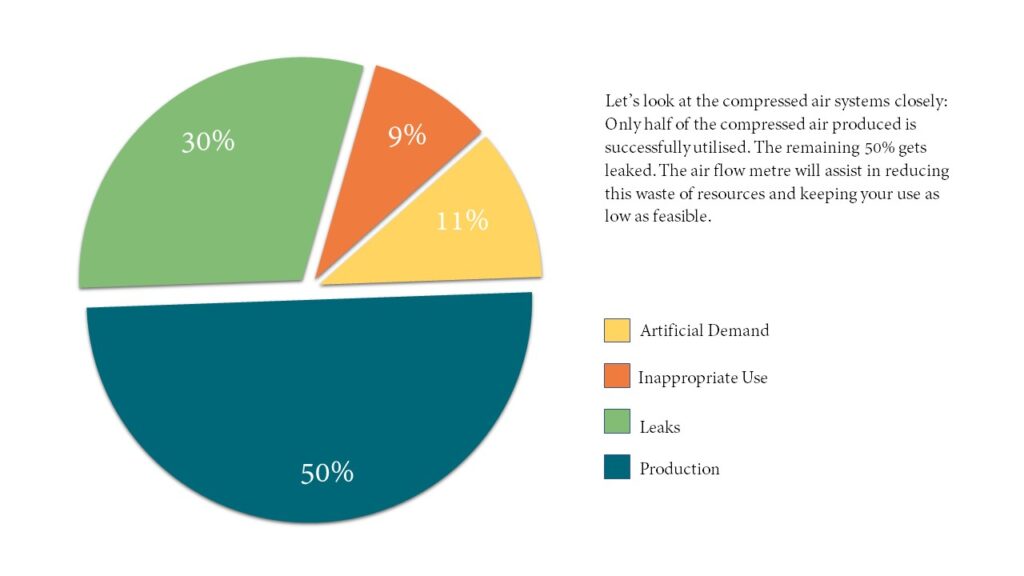
    Compressed air is an invisible energy, It comprises almost 10% to 30% of energy cost in many of the process industries.

    Automobiles, Textiles, Pharmaceuticals, Food and Beverages are some of the major consumers of compressed air.

    Considering the above facts, An efficient selection of the right compressor type and capacity is quite important. Compressed air piping systems must be designed for best efficiency and optimization. And a plant operator must ensure elimination of leakages, misuse, overpressurization, peak load management and reduce pressure drop for efficient compressed air systems.

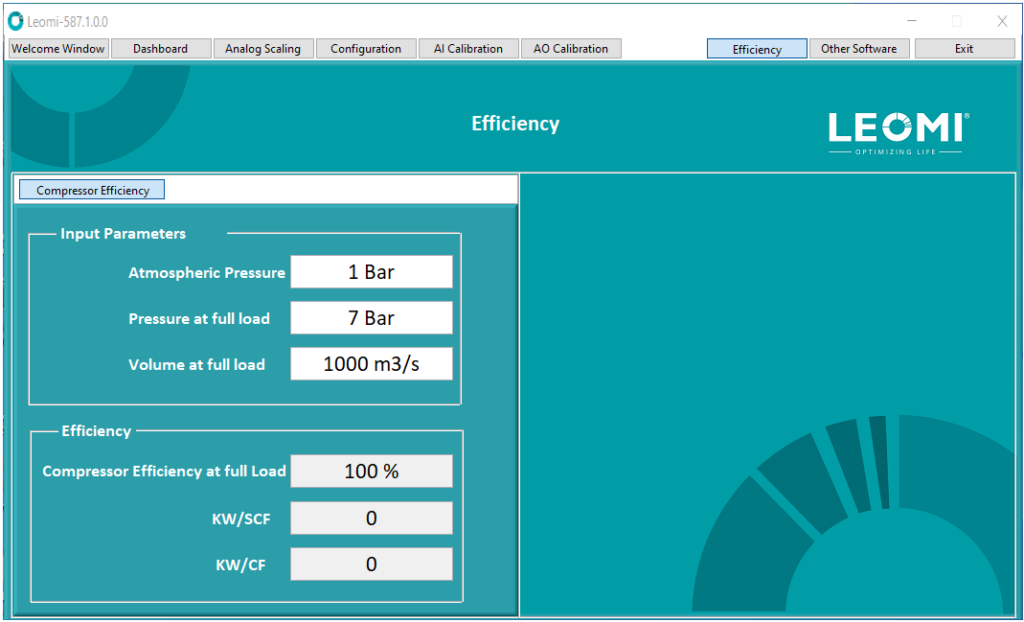
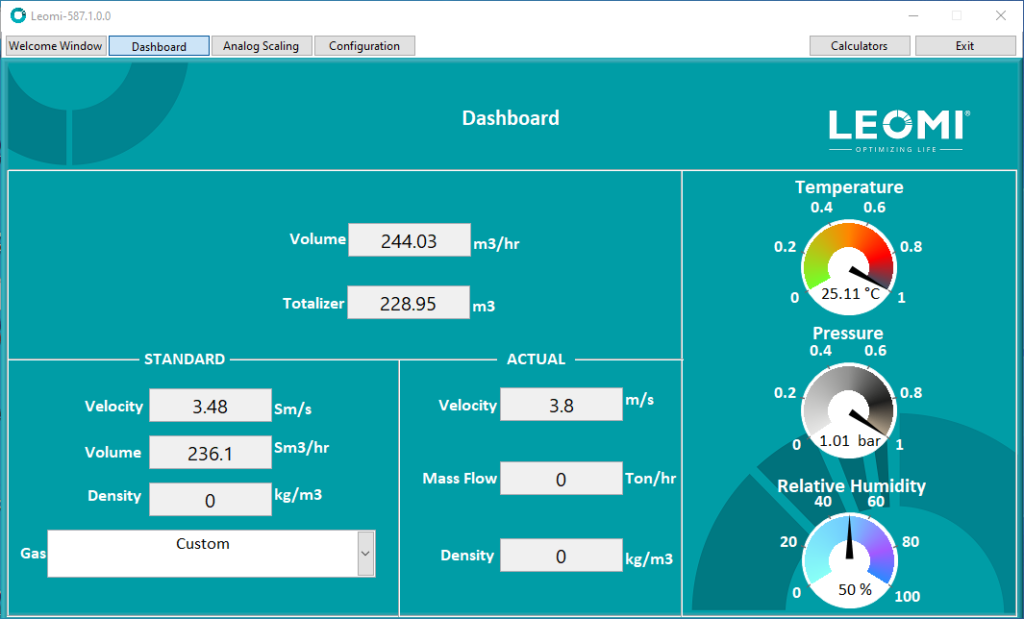
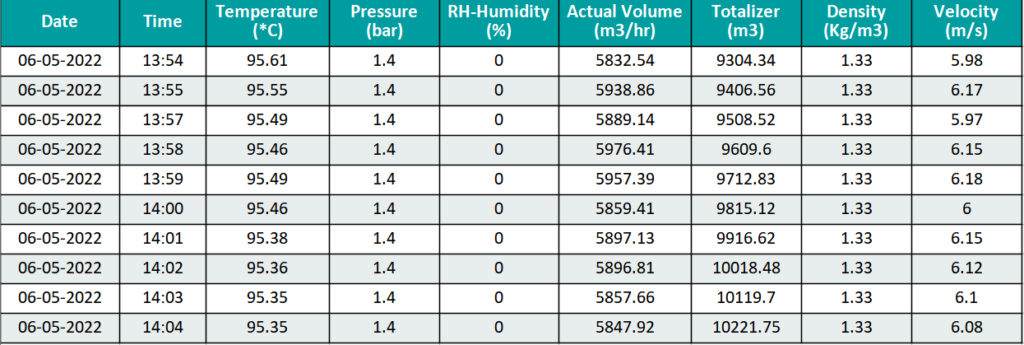
    For efficient compressed air systems, Compressed air flow rate in terms of free air delivery (FAD), discharge pressure, temperature, compressor’s actual power measurement is important. In-order to achieve this goal Leomi- 587 An Insertion Thermal Mass Flowmeter is developed. A perfect tools which will measure & record with in-built USB datalogger Actual CFM ( FAD) corrected with actual relative humidity (%); Pressure, Temperature, Actual power(KW) and also calculates full load efficiency, CFM/KW with a custom built software and provides an excel report of all the parameter which makes life easier for an energy auditor.

    IMPORTANT FEATURES:

    • Measuring actual mass/volume flow rate
    • Suitable to 15mm to 10000mm pipe sizes
    • Probes with Ø=12mm/20mm(HC276) & Length up-to 2000 mm available
    • Better accuracy < ±2%RD of actual mass flow rate
    • Upto 4 user selectable analogue input such as pressure, temperature, power or RH% etc.
    • Turndown ratio 100:1 or better
    • Accurate measurement over temperature ranges upto 400°C
    • In-built data storage with USB 2.0 in csv format for input parameters
    • In-built auto purging system for sensor cleaning
    • Ideal for customized flow control applications with PC software

    Leomi 587 Software:

    LEOMI 587 COMPRESSOR EFFICIENCY
    LEOMI 587 SOFTWARE DASHBOARD
    IN-BUILT USB DATA LOGGING

    Click here to know more in detail about Leomi 587 Actual Mass Flow Meter.

  • WEBINAR ON TECHNOLOGY ADVANCEMENTS IN AIR & GAS FLOW MEASUREMENT IN THERMAL POWER PLANTS

    WEBINAR ON TECHNOLOGY ADVANCEMENTS IN AIR & GAS FLOW MEASUREMENT IN THERMAL POWER PLANTS


    Presenter:


    Manish Patel
    Manish S Patel

    Mr. Manish Patel is a Mechanical Engineer by qualification and a First generation entrepreneur. He started from scratch & developed a considerable business establishment with consistent efforts in course of years acquired skills such as Sales & Marketing, Brand management, Business development strategy & risk analysis. 

    He has an in-depth subject knowledge in Flow measurementPassionate about discovering inner self & believe in “Karma-yoga” as a path for liberation from negative energies of mind, intellect, consciousness & ego and remain in a constant blissful state. “Blessed be ever and everywhere” is the mantra of his life.


    Technology Advancements In Air & Gas Flow Measurement In Thermal Power Plants

    Power generation worldwide is on topmost priority for sustaining domestic and industrial growth. With the advancement in coal-based thermal power plant technologies & stricter environmental emission norms, efficient controls of combustion & emission controls are of utmost importance.

    Efficient operation of the thermal power plants depends largely upon accurate and repeatable measurement of primary and secondary airflow to coal mills, flue gas recirculation flow, overfire airflow, airflow to individual burners, and flue gas emission rate.

    Flue gas flow measurement is a challenging task having mixtures of O2, CO2, CO, SPM, SOx, NOx, HC, etc. & large diameter ducts where conventional flow measurements are unreliable, non-repeatable, high maintenance prone & expensive.

    This webinar aims at highlighting the challenges faced in air and gas flow measurements in power plants and the advancement in technologies for these.

    Please visit leomi.in, to access online registration and for more information about this webinar.

    AGENDA of the session:—

    — Introduction 

    — Air & Gas Flow measurement applications and challenges in power plants

    — Current technologies used and challenges

    — Technology advancements

    — LEOMI Introduction

    — Typical application examples

  • Exhaust Hot Gas Flow Measurement in Cement industry, India

    Exhaust Hot Gas Flow Measurement in Cement industry, India

    Exhaust Hot Gas Flow Measurement in Cement industry

    Problem

    Energy is a major input in the cement manufacturing process & it is met by setting up a Captive Thermal Power Plant for efficient operations. The heat generated through Rotary Kiln preheater (PH) & After quenching cooler (AQC) exhaust hot gases for power generation. Around 30%-40% of the power requirement of the cement plant can be fulfilled by using this waste heat for power generation. It optimizes the overall production cost.

    • Exhaust gas is generated at very low static pressure in large ducts.
    • Low velocity & high temperature from 150⁰C to 400⁰C
    • Differential pressure flowmeters don’t work at low flow rates.
    • Existing DP flowmeter has high-pressure drop & low accuracy.

    Solution

    Leomi – 586 Insertion Thermal Mass flowmeter

    • High turndown down ratio of 100:1 against 4:1 of the existing installation.
    • No pressure drop.
    • High accuracy against DP flowmeter
    • Works well even in high temperature & low velocity
    • Doesn’t require a shutdown for installation
    • No maintenance than the existing flow meter used.

    Application

    Exhaust hot gas flow measurement in a reputed cement plant

    Customer

    Reputed Cement Plant

    Product

    LEOMI- 586, Insertion Thermal Mass Flowmeter

    Why Leomi?

    • An ISO 9001:2015 company, Startup India recognized
    • German technical collaboration Engineered in India
    • India’s First In-house fully automatic wind tunnel calibration system.
    • Product quality proven for more than 20 years installed worldwide.

    Installation Facts

    Leomi 586 is installed in the Exhaust hot gas after quenching cooler (AQC) in 2000mm with flow rates of 40000 Nm3/hr. Works excellent at a high temperature around 340⁰C operating and low velocity up to 0.8m/s.

    fitting thermal mass flowmeter in cement plant

    fitting mass flowmeter in cement plant

    Download the Complete Case Study

    Download

  • Flow Measurement In Water & Wastewater Industries

    Flow Measurement In Water & Wastewater Industries

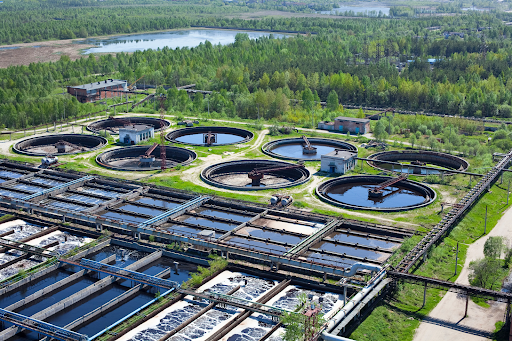
    Flow measurement in wastewater treatment

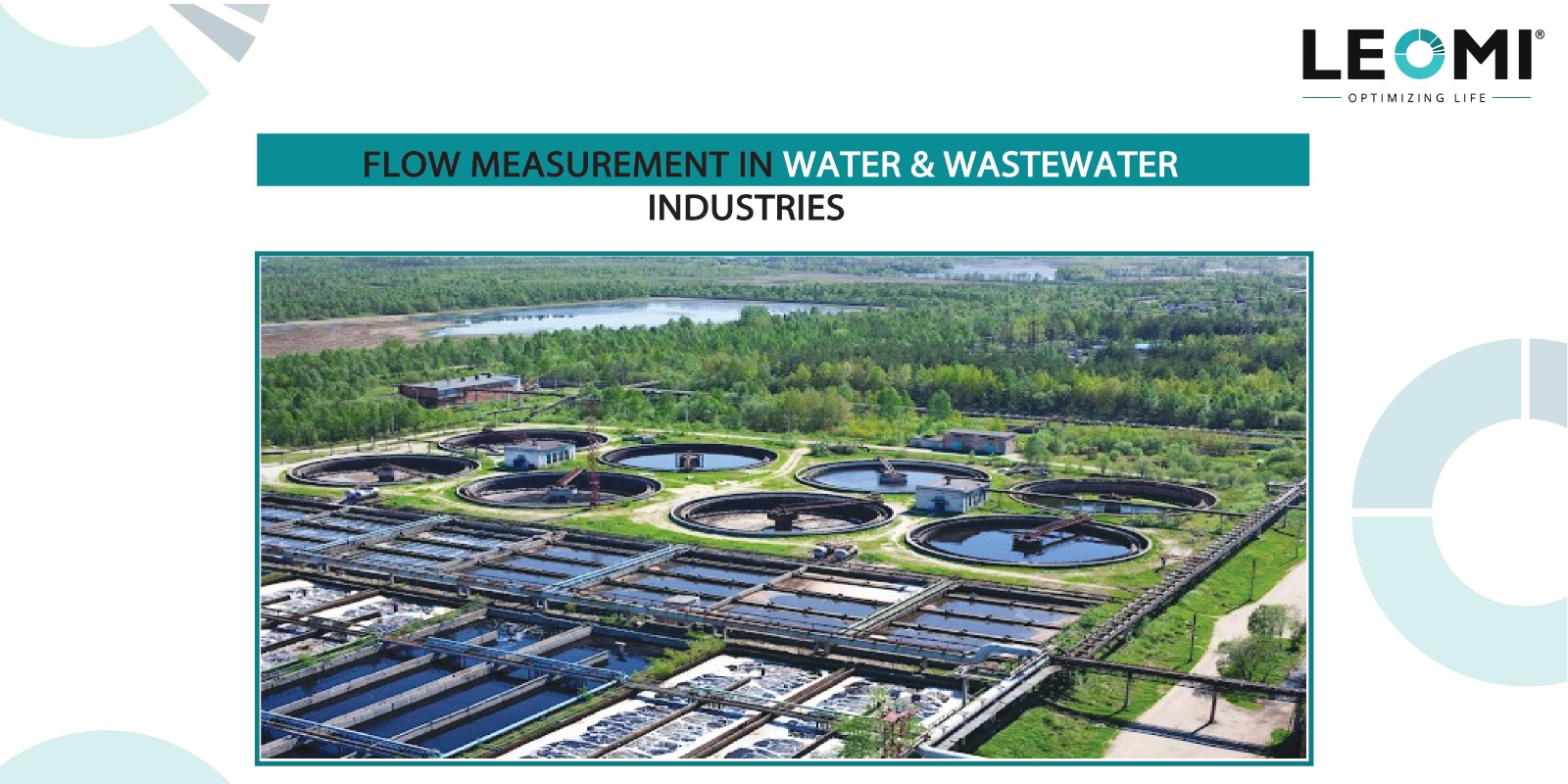
    Wastewater treatment plant automation is getting crucial day by day due to complex processes & un-even wastewater quality due to modern lifestyles having a wide variety of contaminants. There are many important parameters to be monitored to optimize the purification process. Wastewater treatment mainly depends on the loads of wastewater and aeration process. Various flow measurement techniques are now emerging with respect to fluid & process conditions.

    Where is Wastewater Treatment required?

    The wastewater treatment process needs accurate, reliable flow measurements for defining treatment conditions. Major areas where Flow measurement in wastewater treatment is required are :

    • Influent wastewater (Raw wastewater) from drainage or city sewage
    • Primary treated wastewater
    • Secondary treated wastewater
    • Aeration air in aeration lane for optimizing Dissolved oxygen (DO)
    • Chlorine dosing precise monitoring
    • Precise corrosion inhibitor dosing

    Flow measurement technology

    Flow measurement technologies involved in wastewater treatment plant processes are as below

    • Electromagnetic Flowmeter (Full Bore Or Insertion Type)
    • Non-Contact Ultrasonic Flowmeter
    • Insertion Thermal Mass Flowmeter
    • Open Channel Ultrasonic  Flow meter
    • Coriolis Flowmeter
    • Orifice Flowmeter

    Above are major flow measurement technologies used for monitoring & controlling wastewater treatment processes.

    Let’s describe in detail each flow measurement technique above with its advantages and limitations related to its application.

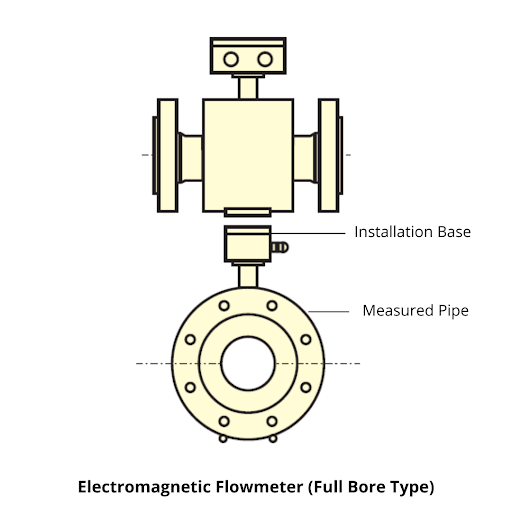
    1. Full Bore Type Electromagnetic Flow Meter

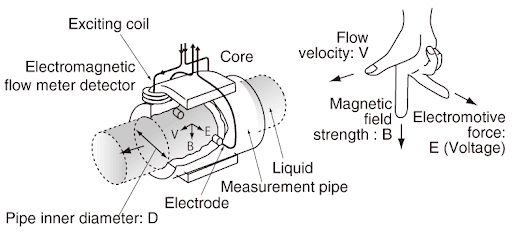
    Electromagnetic flow meters work by using Faraday’s Law of induction. Inside an electromagnetic flow meter, there is an electromagnetic coil that generates a magnetic field, and electrodes that capture electromotive force(voltage). Due to this, although it may appear as if there is nothing inside the flow pipe of an electromagnetic flow meter, flow can be measured.

    Under Faraday’s law of induction, moving conductive liquids inside of a magnetic field generates an electromotive force (voltage) in which the pipe inner diameter, magnetic field strength, and average flow velocity are all proportional. In other words, the flow velocity of liquid moving in a magnetic field is converted into electricity. (E is proportional to V × B × D)

    Flow measurement in water & wastewater industries 2

    As the flow changes, the electromotive force (voltage) captured by the electrodes changes as follows.

    Advantages

    • Is True Volumetric Liquid flow measurement independent of temperature, pressure, density, viscosity & velocity profile
    • Improves reliability with No moving parts with negligible pressure drop
    • Works well even in solid slurries with air bubbles with a noise suppression circuit
    • Excellent for flow measurement of  Sewage water & slurries, Raw Water, Effluent water, etc.

    Limitations

    • Unable to detect liquids with low electrical conductivity (<1?siemens/cm) such as Hydrocarbons & Solvent etc.
    • For large pipe diameters, it is more costly than the Ultrasonic flowmeter
    • Contact type flow technology has to wear & fouling of liners and electrodes.

    2. Insertion Electromagnetic Flowmeter

    Insertion Electromagnetic flowmeters are an economic alternative to full bore flowmeters. They consist of an electromagnetic coil mounted on the end of the sensing probe. It is an alternative for economical installation for large pipes in existing water distribution systems where provision for flow metering was not originally made. The assembly can be installed in existing pipelines without the need for major excavations or alterations to pipe work normally associated with the installation of full electromagnetic flowmeters.

    Advantages

    • Works well for Water distribution piping,
    • Excellent and economical for large pipe diameters from 200mm to 2000mm
    • Low cost of installation and easy sensor isolation.

    Limitations

    • Lower accuracy (2%)  than full bore electromagnetic flowmeters
    • Not suitable for pipe diameter less than 200mm
    • Not suitable for liquids with high solid impurities

    Above are some highlights on one of the flow measurement technologies widely used in Water & Wastewater industries in helping in monitoring and controlling wastewater, raw water etc. Will come back with another important flow technology in an upcoming article.

    Conclusion

    Electromagnetic flow meter is proven flow technology for liquid flow measurement with long term reliability and accuracy. There are other alternatives emerging to compete with where existing technology has limitations in  performance and initial cost is a concern.

    If you want to learn more about this subject please contact us at  sales@leomi.in

  • Where to monitor flue gas flow rate?

    Where to monitor flue gas flow rate?

    Flue Gas Flow Rate for Improved Performance & Efficiency

    To get the optimum efficiency, Flue Gas Flow Rate can be monitored at:

    1. Chimney or Stack
    2. Inlet of Flue-gas Desulfurization plant (Wet FGD/ Dry FGD)
      in Thermal Power plant
    3. Process stack in chemical production, fertilizer, steel
      plants
    4. Process venting systems
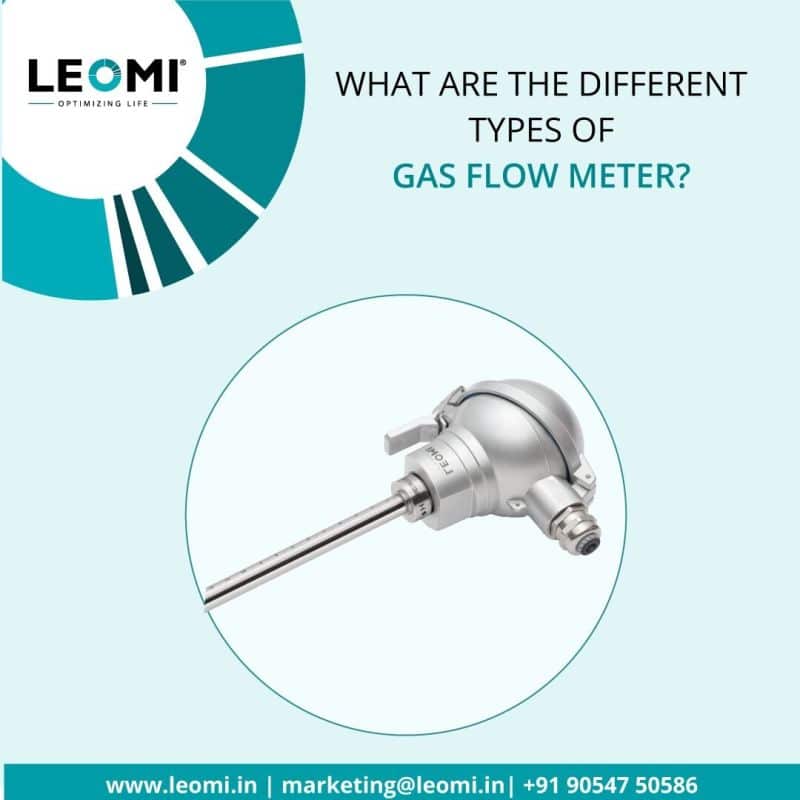
  • 6 Types of Gas Flow Meters

    6 Types of Gas Flow Meters

    Different Types of Gas Flow Meters :

    1. Thermal mass flowmeters:- Thermal mass flowmeters are by far the most popular instruments for determining the mass flow of low gas flow. Since the introduction of these instruments in the mid-1970s, they have undergone considerable development, from analog to digital, from low flow to higher flow, and from applications in laboratories and machines to industrial environments and even hazardous areas. There is a suitable thermal mass flow meter for almost every low-flow gas application.
    2. Differential Pressure-Based Flow Meter:- Differential pressure meters work on the principle of partially obstructing the flow in a pipe. This creates a difference in the static pressure between the upstream and downstream sides of the device. This difference in the static pressure (referred to as the differential pressure) is measured and used to determine the flow rate.
    3. Coriolis flowmeter:- Coriolis flowmeter is based on the principles of motion mechanics. As fluid moves through a vibrating tube, it is forced to accelerate as it moves toward the point of peak-amplitude vibration. Conversely, decelerating fluid moves away from the point of peak amplitude as it exits the tube. The result is a twisting reaction of the flow tube during flowing conditions as it traverses each vibration cycle.
    4. Turbine flow meter:- Turbine Flow Meter is a volumetric measuring turbine type. The flowing fluid engages the rotor causing it to rotate at an angular velocity proportional to the fluid flow rate. The angular velocity of the rotor results in the generation of an electrical signal (AC sine wave type) in the pickup.
    5. Ultrasonic Flow Meter – Clamp On Type:- An ultrasonic flow meter construction can be done by using upstream and downstream transducers, sensor pipes, and reflectors. The working principle of the ultrasonic flow meter is, it uses sound waves to resolve the velocity of a liquid within a pipe. There are two conditions in the pipe like no flow and flowing. In the first condition, the frequencies of ultrasonic waves are transmitted into a pipe & its indications from the fluid are similar. In the second condition, the reflected wave’s frequency is dissimilar because of the Doppler Effect.
    6. Vortex Flow Meter:-  A vortex flow meter is a flow measurement device best suited for flow measurements where the introduction of moving parts presents problems. They are available in industrial grade, brass, or all-plastic construction. Sensitivity to variations in the process conditions is low and with no moving parts has relatively low wear compared to other types of flow meters.