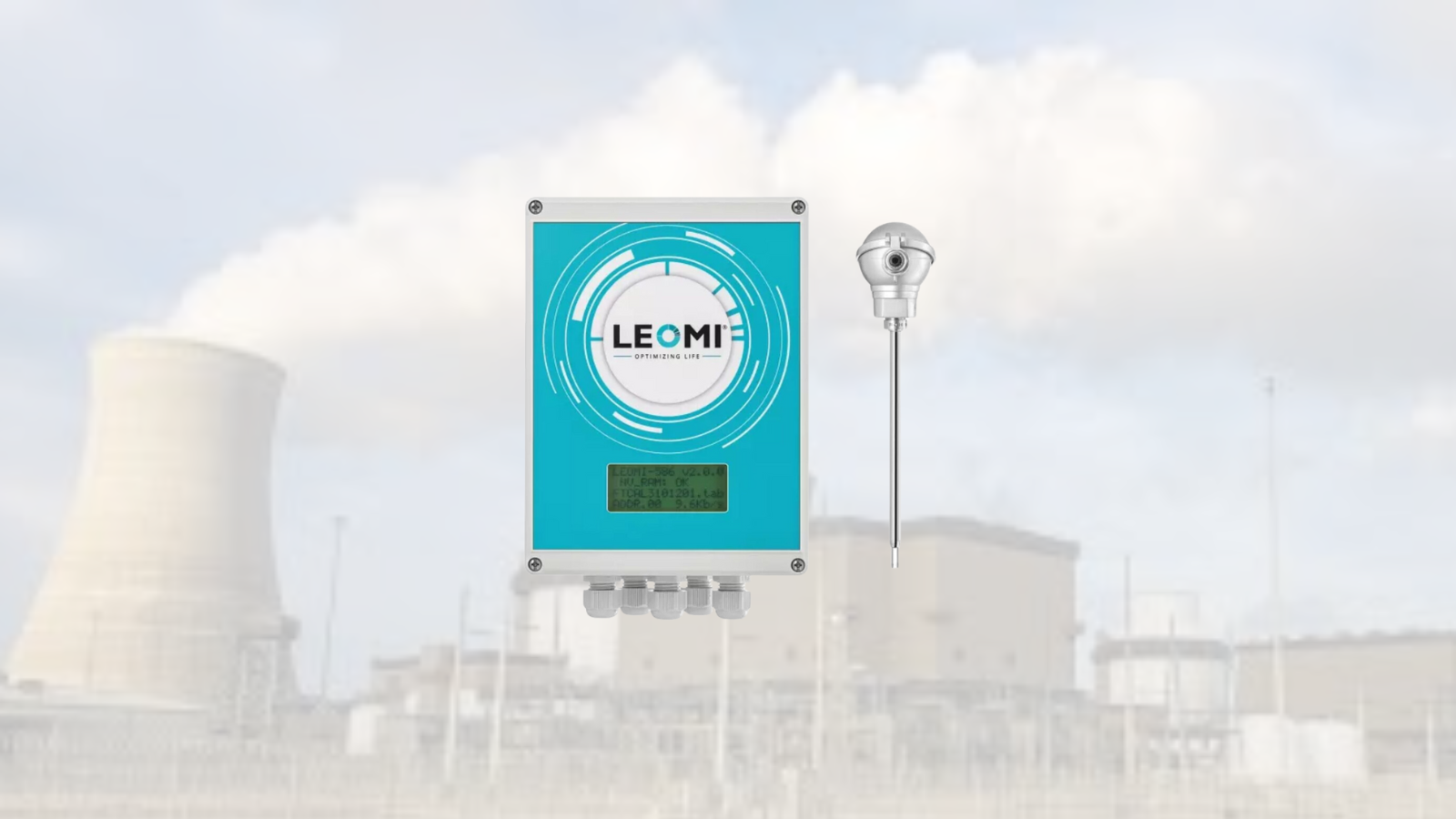
Author: admin

  • Overcoming Measurement Challenges: Thermal Mass Flow Meters in Moist Flue Gas Environments

    Overview:

    Industries relying on combustion processes—such as power plants, steel foundries, and chemical plants—face a common challenge: accurately measuring flue gas flow in moist environments. Flue gas, often laden with moisture, particulates, and sticky contaminants, creates harsh conditions that can compromise the performance and lifespan of traditional flow measurement devices.

    Thermal Mass Flow Meters have emerged as a reliable solution, offering unparalleled accuracy, durability, and efficiency in these demanding applications. In this blog, we’ll explore how Leomi Instruments’ Thermal Mass Flow Meters overcome the unique challenges posed by moisture in flue gas environments, ensuring precise and reliable measurements.

    The Challenges of Moist Flue Gas Measurement:

    Flue gas from combustion processes typically contains a complex mixture of nitrogen, carbon dioxide, carbon monoxide, water vapor, and particulate matter. Measuring flow under such conditions presents several challenges:

      1. Moisture Interference: Moisture content affects the accuracy of many conventional flow meters, leading to unreliable readings and frequent calibration issues.
      2. Particulate Build-Up: Sticky particulates and dirt in the gas can clog sensors, degrade performance, and increase maintenance requirements.
      3. High Temperatures and Variable Flow Rates: Flue gas systems often operate under extreme temperature conditions, with highly variable flow rates that many flow meters struggle to accommodate.
      4. Pressure Drops: Traditional flow meters like orifice plates and pitot tubes introduce significant pressure drops, limiting their suitability for low-flow or fluctuating conditions.

    Thermal Mass Flow Meters: A Game-Changer for Flue Gas Applications:

    Thermal Mass Flow Meters are designed to address these challenges head-on. Unlike traditional technologies, these flow meters measure mass flow directly by sensing the heat carried away by the gas stream, making them inherently resistant to moisture and particulates.

    Leomi Instruments’ Thermal Mass Flow Meters bring advanced features and capabilities that make them ideal for moist flue gas applications:

      1. Moisture Resilience: Leomi Thermal Mass Flow Meters are designed to maintain accuracy even in the presence of moisture content. The rugged sensor design minimizes the impact of condensation, ensuring consistent and reliable measurements.
      2. No Moving Parts: With no moving parts, Leomi flow meters are inherently resistant to wear and tear caused by particulate matter and dirt. This reduces maintenance frequency and enhances operational reliability.
      3. High Temperature Tolerance: WLeomi flow meters operate efficiently in extreme temperature environments, up to 400°C, making them suitable for even the most demanding flue gas applications.
      4. Wide Turn-Down Ratio: With a turn-down ratio of 100:1, Leomi flow meters accurately measure flow across a broad range of conditions, from minimal flow to high-velocity streams.
      5. Minimal Pressure Drop: Unlike traditional flow meters, Leomi’s Thermal Mass Flow Meters introduce negligible pressure drops, ensuring energy efficiency and stable operation in flue gas systems.

    Applications of Thermal Mass Flow Meters in Flue Gas Systems:

    Leomi Thermal Mass Flow Meters are versatile and suitable for various industrial flue gas applications, including:

      1. Power Generation: Monitoring flue gases in boilers and exhaust stacks to optimize combustion efficiency and reduce emissions.
      2. Steel Foundries: Measuring flue gases in blast furnaces, coke ovens, and electric arc furnaces to maintain environmental compliance and enhance process efficiency.
      3. Chemical Plants: Accurately monitoring emissions from chemical reactors and furnaces to meet regulatory standards.
      4. Wide Turn-Down Ratio: With a turn-down ratio of 100:1, Leomi flow meters accurately measure flow across a broad range of conditions, from minimal flow to high-velocity streams.
      5. Waste Heat Recovery Systems: Controlling flue gas flow in heat recovery boilers to maximize energy utilization.

    Why Leomi Thermal Mass Flow Meters Are the Ideal Choice:

    Leomi Instruments has engineered its Thermal Mass Flow Meters to address the specific demands of moisture and challenging flue gas environments. Key advantages include:

      1. Durable and Cleanable Sensor Assembly: Resistant to dirt and sticky particulates, with removable probes for easy cleaning.
      2. Customizable Configurations: Sensors can be tailored to fit various pipe dimensions and gas compositions.
      3. Easy Installation: Quick, cost-effective installation, even in large ducts or complex systems.
      4. Direct Mass Flow Measurement: Eliminates the need for additional temperature or pressure compensation devices.

    Real-World Impact:

    Steel plants and power generation facilities using Leomi flow meters report significant improvements:

      1. Enhanced Measurement Accuracy: Operators achieve precise flow data, even in moist flue gas streams.
      2. Reduced Maintenance Costs: The rugged, cleanable design reduces downtime and maintenance efforts.
      3. Regulatory Compliance: Accurate emission monitoring ensures adherence to strict environmental standards.

    Conclusion:

    Moist flue gas environments present significant challenges for flow measurement, but Leomi Instruments’ Thermal Mass Flow Meters rise to the occasion. Their advanced design and proven performance make them an essential tool for industries seeking to optimize efficiency, reduce costs, and meet environmental goals.

    Upgrade Your Flue Gas Measurement with Leomi Instruments!

    Discover how our cutting-edge flow measurement solutions can transform your operations. Visit our Gas Wise Application section or contact us today to learn more about the benefits of Leomi Thermal Mass Flow Meters for your specific application. Elevate your measurement reliability with Leomi Instruments—precision engineered for demanding environments!

  • Customizable and Cleanable Sensors in Steel Industry Applications: Benefits of Advanced Flow Meters

    Customizable and Cleanable Sensors in Steel Industry Applications: Benefits of Advanced Flow Meters

    Benefits of Advanced Flow Meters

    Overview:

    The steel industry operates in some of the harshest environments, where extreme temperatures, dust, dirt, moisture, and abrasive particles are a constant challenge. Accurate measurement of air and gas flow is critical for optimizing various processes, such as combustion, cooling, and waste management. To maintain high accuracy and reliability, advanced flow meters used in these applications must be equipped with customizable and cleanable sensors. In this blog, we explore the benefits of using advanced flow meters with customizable and cleanable sensors and how they can enhance operational efficiency in steel production.

    The Importance of Accurate Flow Measurement in Steel Production:

    In steel plants, flow meters are utilized in multiple stages, including measuring blast air into furnaces, monitoring coke oven gas (COG) and blast furnace gas (BF gas), controlling combustion air, and managing emissions from stacks and exhaust systems. These measurements are essential for:

    • Optimizing Combustion: Proper air-to-fuel ratios are vital for efficient combustion, which reduces fuel consumption and lowers emissions.

    • Ensuring Safety: Monitoring the flow of gases like COG and BF gas helps prevent hazardous conditions caused by leaks or improper gas distribution.

    • Maintaining Compliance: Accurate flow measurement is necessary to meet environmental regulations by ensuring that emissions stay within permissible limits.

    • Improving Efficiency: By providing real-time data on air and gas flow, flow meters help operators adjust processes for maximum efficiency and minimize waste.

    Given the aggressive conditions in steel plants, selecting flow meters with sensors that can be customized and cleaned regularly is crucial to ensure sustained performance and accuracy.

    Benefits of Customizable Sensors:

    1. Tailored to Specific Needs: Different processes in the steel industry require flow meters to measure a variety of gases and air flows under specific conditions. Customizable sensors allow the adaptation of flow meters to specific applications. For example, sensors can be programmed for different gas mixtures, including COG, BF gas, and natural gas. This flexibility ensures that the flow meter provides precise measurements tailored to each process.

    2. Enhanced Durability: Customizable sensors can be built with materials that withstand the specific challenges of steel production environments, such as high temperatures, corrosive gases, and particulate-laden air. Selecting the right sensor material—like stainless steel or special alloys or PFA coating — improves resistance to corrosion, abrasion, and mechanical stress, ensuring a longer service life and consistent accuracy.

    3. Versatility Across Applications: In a steel plant, a single type of flow meter may be required to operate across multiple applications, from measuring blast air to monitoring exhaust gas emissions. Customizable sensors make it possible for the same flow meter model to be used across different applications, reducing the need for multiple types of meters and simplifying maintenance and inventory management.

    Benefits of Cleanable Sensors:

    1. Maintaining Measurement Accuracy: Steel plants produce a large amount of dust, soot, and particulate matter that can settle on sensor surfaces, affecting their performance. Cleanable sensors allow operators to remove built-up contaminants that can cause inaccuracies or sensor drift. Regular cleaning helps maintain the precision of flow measurements, preventing costly errors in process control.

    2. Reduced Maintenance Costs: Flow meters with cleanable sensors eliminate the need for frequent sensor replacements due to contamination or damage. Instead of purchasing new sensors, operators can simply clean and re-install the existing sensors, significantly reducing ongoing maintenance costs.

    3. Minimized Downtime: Cleanable sensors enable quick on-site maintenance, minimizing the downtime required for sensor cleaning or replacement. This is especially important in steel plants, where every minute of downtime can lead to substantial losses in production and increased operational costs.

    4. Improved Reliability in Harsh Environments: Regular cleaning prevents sensor malfunction caused by exposure to dirt, dust, and moisture. In environments like steel plants, where conditions are tough on equipment, the ability to clean sensors ensures that the flow meters continue to function reliably over time.

    How Advanced Flow Meters Address These Challenges:

    Advanced flow meters, such as thermal mass flow meters, are designed to meet the specific needs of steel industry applications. They come with several features that support the benefits of customizable and cleanable sensors:

    • Insertion Design for Easy Access: Insertion thermal mass flow meters are easy to install and remove, making them ideal for applications where sensors require regular cleaning or replacement. Their insertion design allows for quick access to sensors without major modifications to the piping or system.

    • No Moving Parts: Thermal mass flow meters have no moving parts, which minimizes wear and tear and reduces the risk of failure in harsh conditions. This design feature also simplifies cleaning since there are fewer components to maintain.

    • High Turn-Down Ratio: These meters have a high turn-down ratio, meaning they can accurately measure a wide range of flow rates. This versatility makes them suitable for different applications within the steel industry, from low-flow monitoring of exhaust gases to high-flow measurements of blast air.

    • Programmable Settings: Advanced flow meters can be programmed to accommodate various gas mixtures and operating conditions, providing the flexibility needed to handle the diverse requirements of steel production processes.

    Conclusion:

    In the demanding environment of steel production, flow meters equipped with customizable and cleanable sensors are essential for maintaining accurate flow measurements and ensuring optimal process control. By selecting advanced flow meters with these capabilities, steel plants can enhance operational efficiency, reduce maintenance costs, minimize downtime, and improve overall plant performance. The right flow measurement solutions are critical for meeting the challenges of modern steel production, supporting both sustainability and profitability in this vital industry.

  • Ensuring Quality in Man-Made Fiber Production: Measuring Air Flow in POY and FOY Processes

    Ensuring Quality in Man-Made Fiber Production: Measuring Air Flow in POY and FOY Processes

    Overview:

    In the production of man-made fibers, maintaining consistency and quality is a complex challenge that involves precise control over numerous variables. Among these variables, the measurement of air flow is a critical factor, particularly in the production of Partially Oriented Yarn (POY) and Fully Oriented Yarn (FOY). Accurate air flow management ensures that the production process remains stable, efficient, and capable of delivering high-quality fibers that meet industry standards. This blog explores the importance of measuring air flow in POY and FOY processes and how it contributes to achieving optimal production outcomes.

    The Significance of Air Flow in POY and FOY Production:

    Man-made fibers like polyester, nylon, and acrylic undergo several stages before they are transformed into finished products. Two common types of yarn produced are POY and FOY. Here’s where air flow plays a crucial role:

    1. Filament Cooling and Solidification: In POY production, continuous filaments are formed by extruding molten polymer through spinnerets. As these filaments are extruded, they are rapidly cooled to solidify their structure. The cooling process uses controlled air flow to quench the hot filaments and stabilize their molecular configuration. Variations in air flow can result in uneven cooling rates, leading to defects such as variations in yarn thickness, irregular crystallization, and other quality issues.
    2. Texturizing for Enhanced Yarn Properties: POY is often further processed to create textured yarns with added bulk, elasticity, and softness. During the texturizing process, air is used to cool and stabilize the yarn as it is crimped and shaped. Inconsistent air flow can disrupt this process, leading to variations in texture and appearance that affect the final product’s quality.
    3. Drawing and Stretching in FOY Production: FOY undergoes additional stages of drawing and stretching to achieve full orientation, which enhances the yarn’s strength, durability, and uniformity. During these processes, precise air flow control is essential to maintain the correct tension and temperature. Variations in air flow can cause weak spots, breaks, or uneven dye uptake, compromising the yarn’s overall quality.

    Why Accurate Air Flow Measurement Matters:

    Thermal mass flow meters are well-suited for measuring air flow in POY and FOY production processes. Here’s why they are ideal for this application:

      1. Direct Mass Flow Measurement: Thermal mass flow meters provide direct mass flow readings without the need for separate temperature or pressure compensation, ensuring high accuracy across varying operating conditions.
      2. Sensitivity to Low Flow Rates: These meters are highly sensitive to low air velocities, making them ideal for applications like filament quenching and texturizing, where precise control over airflow is necessary.
      3. Minimal Maintenance Requirements: With no moving parts, thermal mass flow meters offer long-lasting performance and require minimal maintenance, making them a reliable choice for high-demand production environments.
      4. Easy Integration: These meters can be easily installed and integrated into existing production systems without the need for extensive modifications, providing a cost-effective solution for upgrading air flow measurement capabilities.

    Achieving Optimal Production Outcomes with Accurate Air Flow Measurement:

    For manufacturers of man-made fibers, the ability to accurately measure and control airflow in POY and FOY processes is a key factor in maintaining product quality, improving efficiency, and reducing operational costs. Investing in the right airflow measurement tools allows manufacturers to optimize their production processes, reduce waste, and achieve consistent quality in an increasingly competitive market.

    In an industry where precision and consistency are paramount, air flow measurement is not just a technical necessity but a strategic tool for maintaining competitiveness and ensuring long-term success. Accurate air flow measurement can unlock new levels of efficiency, quality, and innovation in man-made fiber production.

  • Improving Milk Powder Drying with Hot Air Flow Monitoring by Leomi

    Improving Milk Powder Drying with Hot Air Flow Monitoring by Leomi

    Background:

    Milk powder production is a delicate process. Getting the drying part right is crucial. If the airflow during drying isn’t right, the quality of the milk powder can be affected.


    Problem:

    A leading milk powder manufacturer was facing issues. Their drying process was inconsistent. Sometimes the powder was too wet; other times, it was over-dried. They needed a way to monitor and control the airflow during the drying process.


    Solution:

    The manufacturer turned to Leomi for solution. Leomi provided them with their advanced hot air flow meters. These meters were easy to install and simple to use.


    How Leomi’s Hot Air Flow Meters Helped:

    • Consistent Quality: With Leomi’s meters, the manufacturer could see exactly how much hot air was flowing during the drying process. They could adjust it to get the perfect temperature and flowrate for optimum drying every time.

    • Easy Monitoring: The meters showed clear readings. The production team could check the airflow at any time and make quick changes if needed.

    • Cost Savings: With better control over the drying process, there was less waste. The manufacturer didn’t have to throw away batches that were too wet or too dry.


    Results:

    Thanks to Leomi’s air flow meters, the milk powder manufacturer improved their drying process. They now produce consistent, high-quality milk powder. They also save money by reducing waste.

    Conclusion:

    Leomi’s simple solution made a big difference. The right airflow is crucial for drying milk powder, and with Leomi’s meters, getting it right became easy.


    Download

  • The Role of Flow Meters in the Blast Furnace and Basic Oxygen Furnace (BF-BOF) Steelmaking Process

    The Role of Flow Meters in the Blast Furnace and Basic Oxygen Furnace (BF-BOF) Steelmaking Process

    Thermal mass flow meters

    Overview:

    In the steel industry, precision and efficiency are key to maintaining high-quality production and minimizing costs. The Blast Furnace-Basic Oxygen Furnace (BF-BOF) process is one of the primary methods for producing steel, relying heavily on the accurate control of air and gas flows. Thermal mass flow meters play a crucial role in this process by measuring and monitoring the flow of air and gases such as blast air, coke oven gas (COG), and blast furnace gas (BF gas). Proper flow measurement is vital for optimizing combustion efficiency and reducing emissions, ultimately leading to improved plant performance.

    Understanding the BF-BOF Steelmaking Process:

    The BF-BOF steelmaking process is divided into two main stages:

    1. Blast Furnace Stage: Iron ore, coke, and flux materials are fed into the blast furnace, where hot blast air is blown in to ignite the coke. The combustion of coke produces carbon monoxide, which reduces the iron ore to molten iron (hot metal). During this process, significant amounts of by-product gases like COG and BF gas are generated.

    2. Basic Oxygen Furnace Stage: The molten iron is then transferred to the Basic Oxygen Furnace (BOF), where pure oxygen is blown onto the molten metal to remove impurities. This stage results in high-quality steel with desirable physical and chemical properties.

    Key Areas for Flow Measurement in the BF-BOF Process:

    1. Measuring Cold Blast Air into the Furnace

    In the blast furnace stage, the precise measurement of blast air is crucial. The air serves two main purposes: providing the oxygen required for coke combustion and maintaining the necessary temperature for the reduction of iron ore. Controlling the flow of blast air ensures that the combustion is efficient and the temperature remains stable.

    • Role of Thermal Mass Flow Meters: Thermal mass flow meters are ideal for measuring the mass flow rate of blast air. Unlike volumetric flow meters, they do not require separate temperature or pressure compensation, providing direct and accurate measurements. These meters are with high turn-down ratio and no pressure drop which saves blower energy consumption. These meters help maintain the optimal air supply needed for efficient combustion and consistent furnace operation.

    • Benefits: Precise measurement of blast air optimizes coke consumption and improves the overall energy efficiency of the blast furnace. It also ensures that the furnace operates within the required temperature range, preventing potential damage and enhancing the quality of molten iron.

    2. Monitoring the Flow of Coke Oven Gas (COG) and Blast Furnace Gas (BF Gas):

    COG is generated during the coking process, while BF gas is produced in the blast furnace during iron ore reduction. Both gases are valuable by-products that can be reused as fuel within the steel plant, helping to reduce the reliance on external energy sources.

    • Role of Thermal Mass Flow Meters: Flow meters are used to monitor the flow rates of COG and BF gas to ensure they are effectively utilized throughout the plant. By measuring the exact flow rates, operators can optimize the use of these gases for various applications such as heating, preheating blast air, or generating steam in boilers.

    • Benefits: Accurate monitoring and measurement of COG and BF gas flows help in maximizing their reuse, resulting in lower energy costs and reduced greenhouse gas emissions. Flow meters also assist in identifying leaks or inefficiencies in the gas distribution network, allowing for timely maintenance and repairs.

    Enhancing Combustion Efficiency and Reducing Emissions:

    Combustion efficiency is a critical factor in steel production, directly influencing fuel consumption, operating costs, and emission levels. Achieving optimal combustion conditions requires a precise balance between air and fuel.

    • Role of Thermal Mass Flow Meters: Thermal mass flow meters provide real-time data on both air and gas flow rates, enabling steel plant operators to adjust and maintain the ideal air-to-fuel ratio. This fine-tuning ensures complete combustion, which minimizes the production of harmful emissions such as carbon monoxide (CO), sulfur oxides (SOx), and nitrogen oxides (NOx).

    • Benefits: By maintaining the correct air-to-fuel ratio, plants can improve combustion efficiency, reduce fuel consumption, and lower operating costs. Additionally, the reduction in emissions helps steel plants comply with environmental regulations and reduce their overall carbon footprint.

    How Leomi Instruments Can Help Optimize the BF-BOF Process:

    Leomi Instruments specializes in providing advanced thermal mass flow meters tailored for the demanding conditions of steel plants. Here’s how Leomi’s solutions can make a difference:

    • Precision and Reliability: Leomi’s flow meters deliver highly accurate and reliable measurements of blast air, COG, and BF gas. This precision helps maintain optimal furnace conditions and ensures the effective reuse of by-product gases.

    • Rugged and Durable Design: Built for harsh environments, Leomi’s meters feature rugged sensor designs that withstand dust, dirt, and high moisture levels. They offer long-lasting performance with minimal maintenance needs.

    • Cost-Effective Installation: Leomi’s insertion thermal mass flow meters are easy to install in existing systems, even in large ducts, without requiring extensive modifications. This results in lower installation costs and minimal operational disruption.

    • Customizable and Versatile Solutions: With programmable user-defined gas mixtures and compatibility with various pipe sizes, Leomi flow meters provide versatile solutions for different applications within the steelmaking process.

    Conclusion:

    Accurate air and gas flow measurement is essential for optimizing the BF-BOF steelmaking process. Thermal mass flow meters play a vital role in enhancing combustion efficiency, reducing emissions, and improving overall plant performance. With robust and reliable measurement solutions, steel plants can achieve greater efficiency, reduce costs, and maintain compliance with environmental standards.

  • Enhancing Spinning Processes: The Role of Flow Meters in Ring, Open-End, and Air Jet Spinning

    Enhancing Spinning Processes: The Role of Flow Meters in Ring, Open-End, and Air Jet Spinning

    Overview:

    The spinning process is a vital stage in textile manufacturing where fibers are transformed into yarn. Among the various spinning methods used in the industry, ring spinning, open-end spinning, and air jet spinning are the most prominent. Each of these methods relies on the precise control of air and gas flows to ensure quality and efficiency. flow meters air jet spinning play a crucial role in optimizing these processes by providing accurate measurements and helping manufacturers control their operational parameters more effectively. This article delves into how flow meters enhance spinning processes and why they are essential for modern textile production.

    Importance of Accurate Flow Measurement in Spinning Processes:

    In spinning processes, air flow is a critical factor that affects the quality of the yarn produced. The three main spinning techniques—ring, open-end, and air jet—each use air differently, but all benefit significantly from accurate flow measurement. Proper flow control helps ensure consistent yarn quality, minimizes waste, reduces energy consumption, and prevents equipment malfunctions.

    1. Ring Spinning: Enhancing Consistency and Quality: Ring spinning is one of the oldest and most widely used methods for producing fine and high-strength yarns. In this process, fibers are drawn, twisted, and wound onto a spindle to create yarn. Compressed air is used to remove fly and dust particles from the spinning environment, and to cool and lubricate machine components.

      • Role of Flow Meters:In ring spinning, flow meters air jet spinning help monitor the compressed air used in the blow-off and suction systems that remove lint, dust, and loose fibers. Maintaining the correct air flow is essential for ensuring a clean spinning environment, which in turn leads to fewer yarn defects and improved consistency.

      • Benefits:Accurate air flow measurement reduces the risk of fiber entanglement and breakage, leading to higher yarn quality and reduced downtime for cleaning and maintenance. It also optimizes energy usage, as the compressed air systems operate more efficiently when air flow is precisely controlled.

    2. Open-End Spinning: Optimizing Efficiency and Reducing Waste:Open-end spinning, also known as rotor spinning, is a more modern spinning technique that is faster and more efficient than ring spinning. It is often used for producing coarser yarns. In open-end spinning, air is used to draw fibers into a rotating rotor, where they are twisted into yarn.

      • Role of Flow Meters:Flow meters are crucial in monitoring the air pressure and flow rate in the rotor, which directly impacts the speed and quality of the yarn production. By measuring and controlling the air flow precisely, manufacturers can ensure that fibers are drawn evenly into the rotor, preventing yarn irregularities and minimizing waste.

      • Benefits:Proper air flow control improves yarn uniformity and reduces the occurrence of weak spots that could lead to yarn breakage. It also helps in maintaining the right tension and twist in the yarn, enhancing its strength and durability. Additionally, optimizing air flow reduces energy consumption, which is a significant cost factor in open-end spinning operations.

    3. Air Jet Spinning: Achieving High-Speed Production with Precision:Air jet spinning is a high-speed method that uses air jets to twist the fibers into yarn. This process is known for producing soft and voluminous yarns at a much faster rate than traditional spinning methods. However, the quality and efficiency of air jet spinning depend heavily on the accurate control of air flow.

      • Role of Flow Meters:In air jet spinning, flow meters are essential for maintaining the correct air flow rate in the jets. This is crucial for achieving the desired twist and tension in the yarn. Flow meters provide real-time data that helps operators adjust the air flow to match the specific requirements of different yarn types and production speeds.

      • Benefits:Accurate air flow measurement ensures consistent yarn quality, with uniform texture and strength. It also minimizes yarn defects such as snarls and slubs, which can occur due to fluctuations in air pressure. Moreover, precise flow control reduces the amount of air needed for the process, leading to energy savings and lower operational costs.

    Overall Benefits of Flow Meters in Spinning Processes:

    1. Improved Product Quality: By maintaining consistent air flow, flow meters help produce yarn with uniform properties, reducing defects and enhancing overall quality.

    2. Energy Efficiency: Precise control of air and gas flow reduces energy consumption by ensuring that only the required amount of air is used. This leads to lower utility costs and a reduced carbon footprint.

    3. Reduced Maintenance Costs: Accurate flow measurement helps prevent issues caused by incorrect air flow, such as machine wear and yarn breakage. This leads to fewer breakdowns and lower maintenance costs.

    4. Real-Time Monitoring and Control: Flow meters provide real-time data on air and gas usage, allowing for immediate adjustments to optimize the spinning process. This enhances overall operational efficiency and reduces waste.

    Conclusion:

    Flow meters are indispensable tools for optimizing spinning processes in the textile industry. Whether in ring spinning, open-end spinning, or air jet spinning, accurate flow measurement ensures consistent quality, enhances efficiency, and reduces costs. By integrating advanced flow measurement solutions, textile manufacturers can achieve greater control over their operations, leading to improved productivity and sustainability.


    About Leomi Instruments
    Leomi Instruments offers state-of-the-art flow measurement solutions tailored for the textile industry. Our range of flow meters, including thermal mass flow meters, provides accurate and reliable measurements to help optimize spinning processes. With a focus on innovation and customer satisfaction, Leomi Instruments is dedicated to helping manufacturers achieve superior quality and efficiency in their operations. Learn more at Leomi Instruments.

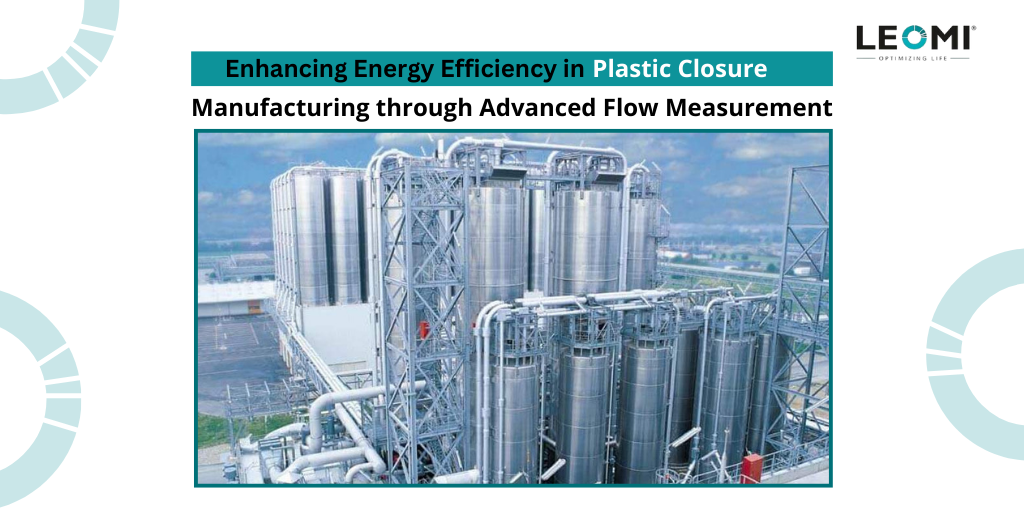
  • Enhancing Energy Efficiency in Plastic Closure Manufacturing through Advanced Flow Measurement

    Enhancing Energy Efficiency in Plastic Closure Manufacturing through Advanced Flow Measurement

    Overview:

    A leading manufacturer of plastic closures (bottle caps) in India, facing intense market competition, sought to enhance operational efficiency by monitoring and optimizing energy consumption. The management team decided to implement the Leomi Insertion Thermal Mass Flowmeter for compressed air monitoring, a crucial component in their production process. This initiative was aligned with their objective to refine key performance indicators (KPIs) and reduce the per-piece cost of closures.

    Challenge:

    In the highly competitive plastic closures market, controlling production costs is critical. The client aimed to gain a precise understanding of the energy and power consumption of their compressors to directly influence the cost efficiency of their production line. Prior solutions they have thought of such as the Orifice Or Vortex flowmeter found unviable due to higher pressure drop incurs permanent energy loss year-on-year and lower turndown ratio unable to detect leakages and high manpower cost & higher time of installation.

    Solution:

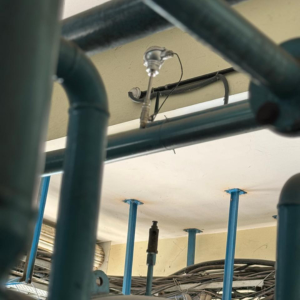
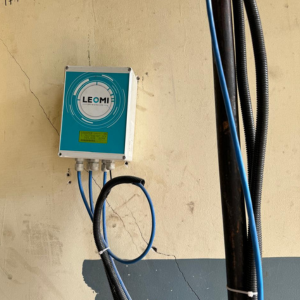
    The installation of the Leomi Insertion Thermal Mass Flowmeter addressed these challenges by providing high sensitivity monitoring (better than 100:1) of compressed air usage. Also have NO pressure drop and easy installation and dis-assembly from pipeline. This flowmeter was seamlessly integrated into the existing SCADA system, enabling real-time measurements of the SCF/KWH and SCFM/KWH ratios. These metrics are crucial for assessing compressor efficiency and guiding management in strategic decision-making regarding energy use and operational adjustments.

    Results:

    The implementation of the Leomi Flowmeter led to several significant improvements:

    1. Enhanced Compressor Efficiency: By monitoring the SCF/KWH ratio, the company could identify efficiency losses and optimize compressor use, focusing on running a single compressor rather than alternating with a standby unit, thereby achieving substantial cost savings.
    2. Leakage Identification: The high sensitivity of the flowmeter enabled the detection of air leakages, which had previously gone unnoticed with the Orifice or Vortex flowmeter.
    3. Reduced Energy Loss: Unlike the Orifice or Vortex flowmeter, the Leomi model minimized pressure drop energy losses, saving an additional 1%-2% in costs.
    4. Cost-Effective Installation: The adjustable installation feature of the Leomi Flowmeter reduced inventory needs and installation costs compared to traditional flowmeters.

    Enhance Efficiency with Leomi Thermal Mass FlowMeter

     Conclusion:

    The integration of the Leomi Insertion Thermal Mass Flowmeter into the client’s manufacturing process for plastic closures significantly enhanced the efficiency of their compressed air systems. This technology not only provided precise data that supported strategic operational improvements but also contributed to direct cost savings by reducing energy consumption and enhancing compressor performance. The successful deployment of this solution exemplifies the potential of advanced flow measurement technologies in optimizing industrial energy usage and achieving cost-effective production.


    Download

  • Understanding Thermal Mass Flow Meters: Principles and Applications

    Understanding Thermal Mass Flow Meters: Principles and Applications

    In the world of fluid dynamics and industrial process control, accurate measurement of flow rates is crucial. Among the various technologies available, thermal mass flow meters stand out due to their precision, versatility, and wide range of applications. This blog delves into the principles behind thermal mass flow meters, their key features, various types, and their diverse applications across industries.

    Principles of Thermal Mass Flow Meters:

    Working Principle:

    Thermal mass flow meters measure the mass flow rate of a gas by detecting the amount of heat transferred from a heated element to the gas flowing past it. The fundamental principle relies on the relationship between heat transfer and fluid flow.

    1. Heating Element: The meter contains a heated sensor element and sometimes an additional sensor to measure the gas’s temperature.

    2. Heat Transfer: As the gas flows over the heated element, heat is carried away from the element into the gas.

    3. Temperature Difference: The rate of heat loss is directly proportional to the mass flow rate of the gas. By measuring the temperature difference between the heated element and the gas, the flow rate can be accurately determined.

    The primary advantage of thermal mass flow meters is their ability to measure the mass flow rate directly without the need for additional pressure and temperature compensation, which is often required with volumetric flow meters.

    Key Features of Thermal Mass Flow Meters:

    1. High Accuracy: These meters provide precise measurements of mass flow rates, essential for critical applications.

    2. Wide Rangeability: Thermal mass flow meters can accurately measure both low and high flow rates, making them suitable for various applications.

    3. No Moving Parts: With no moving parts, these meters are less prone to wear and tear, resulting in lower maintenance requirements and higher reliability.

    4. Direct Mass Flow Measurement: Unlike volumetric flow meters, thermal mass flow meters measure the mass flow rate directly, simplifying the measurement process and improving accuracy.

    Types of Thermal Mass Flow Meters:

    1. By-pass Capillary Thermal Mass Flow Meters:

      • Working Principle: These meters use a capillary tube through which the gas flows. The tube is heated, and the temperature difference across the tube is measured to determine the flow rate.

      • Applications: Ideal for low-flow applications such as in laboratories, medical devices, and gas chromatography.

    2. Insertion Thermal Mass Flow Meters:

      • Working Principle: These meters have a probe that is inserted into the flow stream. The probe contains both the heated element and temperature sensors. The temperature difference is used to calculate the flow rate.

      • Applications: Suitable for larger pipes and ducts, commonly used in HVAC systems, large industrial processes, and environmental monitoring.

    3. Inline Thermal Mass Flow Meters:

      • Working Principle: These meters have an inline configuration where the entire flow passes through the meter body. The heated element and temperature sensors are integrated within the meter.

      • Applications: Used in applications requiring high accuracy and repeatability in automobile, textile, plastic, chemical, food and beverage industry, and pharmaceuticals etc.

    Applications of Thermal Mass Flow Meters:

    1. Industrial Processes:

      • Chemical Industry: Thermal mass flow meters are used to monitor and control the flow of gases in chemical pilot reactor plant for precise reactor control, Exhaust vent gas for exhaust emission control of corrosive gases.

      • Cement Industry: These meters help in measuring and controlling the flow of air , flue gas and hot exhaust gases for enhancing process efficiency, quality and safety.

      • Petrochemical Industry: These meters help in measuring and controlling the flow in various process control in pilot plant in enhancing process efficiency and safety.

    1. Environmental Monitoring:

      • Air Quality Measurement: Thermal mass flow meters are employed to measure the flow of air and gases in environmental monitoring systems, helping to maintain air quality standards.

      • Emissions Monitoring: Industries use these meters to monitor and report emissions, ensuring compliance with environmental regulations.

    2. Energy Management:

      • HVAC Systems: In heating, ventilation, and air conditioning systems, thermal mass flow meters are used to measure and control the flow of air and gases, optimizing energy consumption and improving system efficiency.

      • Compressed Air Systems: These meters are crucial for monitoring the flow of compressed air in manufacturing and industrial applications, aiding in leak detection and energy conservation.

    3. Pharmaceutical and Biotechnology:

      • Process Control: Thermal mass flow meters are used to measure and control the flow of oxygen, compressed air and aeration air in pharmaceutical manufacturing, ensuring precise dosage and process control.

      • Fermentation: In biotechnology, these meters monitor the flow of oxygen, co2, methane etc gases in fermentation processes, crucial for maintaining optimal conditions for microbial growth.

    Advantages and Limitations:

    Advantages:
    • Accuracy: High precision in measuring mass flow rates.

    • Versatility: Applicable to a wide range of gases.

    • Low Maintenance: With no moving parts, maintenance is minimal, and reliability is high.

    • Direct Measurement: Eliminates the need for additional pressure and temperature compensation.

    Limitations:
    • Gas-Specific Calibration: Requires calibration for the specific gas being measured, which can limit versatility in some applications.

    • Temperature Sensitivity: Significant changes in fluid temperature can affect accuracy, requiring additional compensation or adjustments.

    Conclusion:

    Thermal mass flow meters are an invaluable tool in various industries, providing accurate and reliable measurements of gas flow rates. Their ability to measure flow rates directly, without the need for additional compensation, makes them a preferred choice for many applications. From industrial processes to environmental monitoring and energy management, thermal mass flow meters play a crucial role in ensuring efficiency, safety, and compliance.

    A noteworthy example in this field is the Leomi Insertion Thermal Mass Flow Meter, which offers exceptional accuracy and reliability for larger pipes and ducts, commonly used in industrial and HVAC applications. With advanced features and robust design, Leomi’s meters are well-suited for demanding environments, providing precise measurements and aiding in process optimization and energy management.

    By understanding their principles, types, and applications, industries can better harness the power of thermal mass flow meters to optimize their processes and achieve their operational goals.

  • Streamlining Operations in the Textile Industry: The Best Solution for Compressed Air Flow Measurement – Insertion Thermal Mass Flow Meters

    Streamlining Operations in the Textile Industry: The Best Solution for Compressed Air Flow Measurement – Insertion Thermal Mass Flow Meters

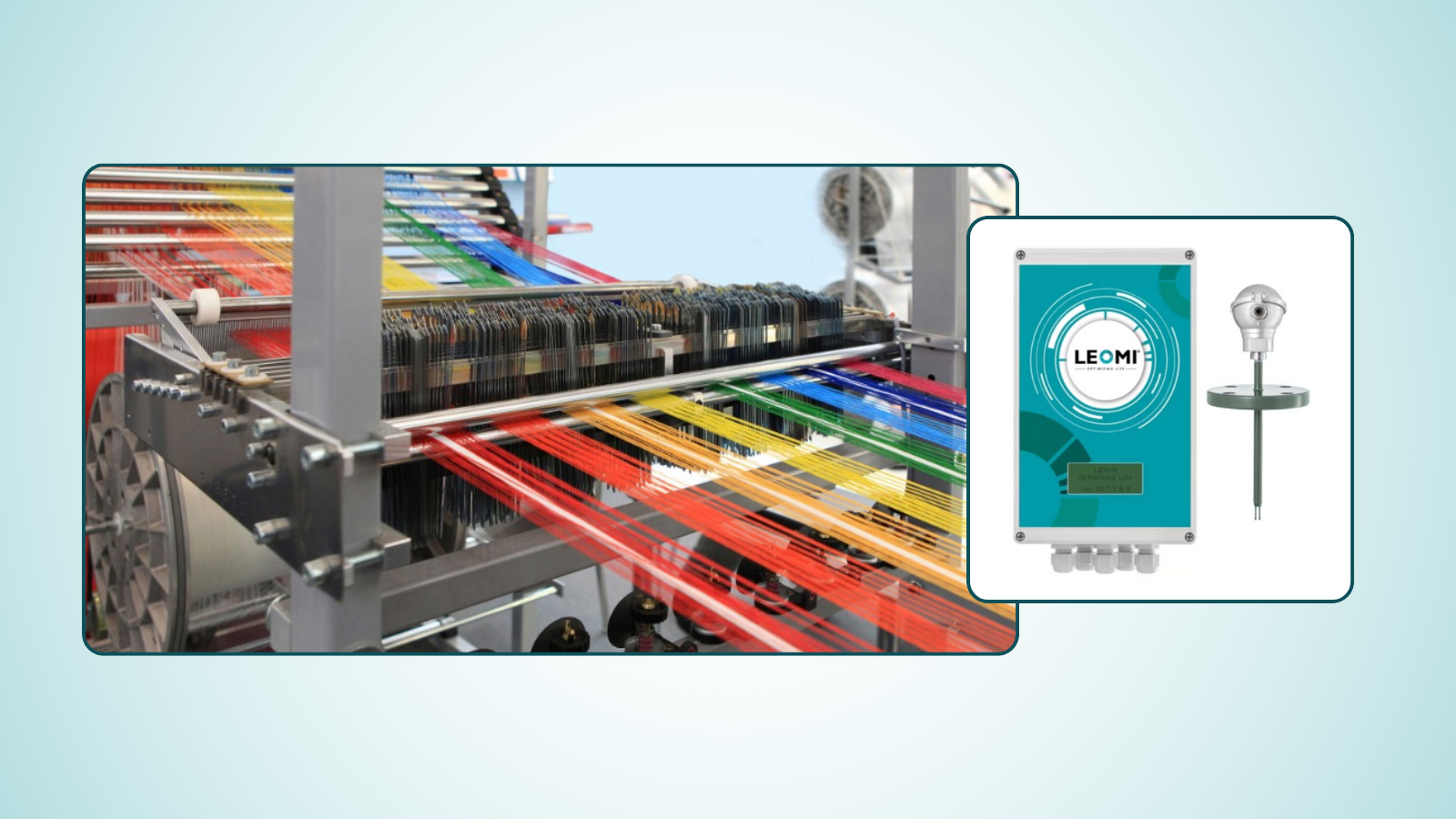
    The textile industry, one of the oldest and most significant sectors in the global economy, relies heavily on various machinery and processes to transform raw materials into finished fabrics. Among the many utilities essential to textile manufacturing, compressed air plays a pivotal role. Ensuring the efficient use of compressed air is crucial for streamlining operations, reducing costs, and maintaining high-quality production standards. When it comes to measuring compressed air flow, the best solution is the insertion thermal mass flow meter.

    The Importance of Compressed Air in Textile Manufacturing

    Compressed air is used extensively in the textile industry for a variety of applications, including:

    • Spinning: In the initial stages of textile production, compressed air is used to operate spinning machines that convert fibers into yarn.

    • Weaving: Air-jet looms rely on compressed air to propel the weft yarn through the warp threads, facilitating high-speed and efficient weaving.

    • Dyeing and Finishing: Compressed air is crucial for maintaining the correct pressure in dyeing machines and for operating pneumatic controls in finishing processes.

    • Pneumatic Conveying: Fibers, yarns, and fabrics are often moved through different stages of production using pneumatic systems powered by compressed air.

    Given its extensive use, any inefficiency in the compressed air system can lead to significant energy waste, increased operational costs, and potential disruptions in production.

    The Challenges of Inefficient Compressed Air Systems

    Inefficient compressed air systems can present several challenges:

    • Energy Consumption: Compressed air systems are typically among the largest consumers of energy in textile plants. Any leaks, pressure drops, or inefficiencies can result in substantial energy waste.

    • Production Downtime: Inconsistent air pressure can cause machinery to malfunction or halt, leading to unplanned downtime and reduced productivity.

    • Quality Control: Variations in air pressure can affect the consistency of processes such as spinning and weaving, leading to defects in the final product.

    • Maintenance Costs: Inefficiencies and leaks in the compressed air system can lead to increased wear and tear on equipment, resulting in higher maintenance costs and shorter equipment lifespans.

    Why Insertion Thermal Mass Flow Meters are the Best Solution

    Accurate measurement of compressed air flow is essential for addressing these challenges and streamlining operations. Insertion thermal mass flow meters offer a reliable and efficient solution for monitoring compressed air systems. Here are several reasons why these devices are considered the best solution for compressed air flow measurement in the textile industry:

    1. High Accuracy and Reliability: Insertion thermal mass flow meters provide highly accurate measurements of compressed air flow, even at low velocities. This precision ensures that textile manufacturers can maintain optimal air pressure levels, improving the consistency and quality of their products.

    2. Wide Range of Applications: These flow meters are suitable for a wide range of applications within the textile industry, from spinning and weaving to dyeing and finishing. Their versatility makes them an ideal choice for comprehensive air flow monitoring.

    3. Leak Detection: One of the most common issues in compressed air systems is leaks. Even small leaks can lead to significant energy losses over time. Insertion thermal mass flow meters continuously monitor the flow of compressed air, enabling plant operators to quickly identify and locate leaks, allowing for prompt repairs and minimizing energy waste.

    4. Cost-Effective Installation and Maintenance: Insertion thermal mass flow meters are relatively easy to install and maintain. Their insertion design allows them to be installed without requiring major modifications to existing piping systems. This results in lower installation costs and minimal downtime.

    5. Energy Efficiency: By providing detailed data on air flow, insertion thermal mass flow meters allow for the fine-tuning of compressors and other equipment. This can lead to more efficient operation, reducing energy consumption and lowering overall operating costs.

    6. Real-Time Monitoring: These meters offer real-time monitoring of compressed air flow, providing valuable insights into system performance. Sudden changes in flow rates can indicate potential issues such as blockages, equipment failures, or changes in demand. By tracking these metrics, operators can proactively address problems before they escalate into major disruptions.

    7. Supporting Preventive Maintenance: Continuous monitoring of air flow can help in scheduling preventive maintenance activities. By identifying patterns and trends in air consumption, maintenance can be planned more effectively, minimizing downtime and extending the life of equipment.

    8. Improving Process Quality: Consistent and reliable air flow is essential for maintaining the quality of textile products. Accurate flow measurement ensures that all processes operate within the required parameters, reducing the risk of defects and enhancing the overall quality of the finished products.

    Implementing Insertion Thermal Mass Flow Meters

    Implementing insertion thermal mass flow meters in a textile plant involves several key steps:

    • Assessment and Planning: Conduct a thorough assessment of the existing compressed air system to identify critical points where flow measurement is needed. This includes understanding the specific requirements of different machines and processes.

    • Selection of Measurement Devices: Choose appropriate insertion thermal mass flow meters based on factors such as accuracy, range, and compatibility with the existing system. These meters are particularly well-suited for small to large-diameter pipes and ducts where other types of flow meters may not be practical.

    • Installation and Calibration: Proper installation and calibration of flow meters are crucial for ensuring accurate measurements. This may involve working with experienced technicians or service providers who specialize in compressed air systems.

    • Data Integration and Analysis: Integrate flow measurement data with the plant’s existing monitoring and control systems. This allows for real-time tracking and analysis of air flow, enabling quick responses to any issues that arise.

    • Training and Support: Ensure that plant operators and maintenance personnel are adequately trained in using and maintaining the flow measurement system. Ongoing support and periodic recalibration may also be necessary to maintain accuracy and reliability.

    Conclusion

    The textile industry stands to benefit significantly from the implementation of accurate compressed air flow measurement systems, particularly through the use of insertion thermal mass flow meters. By addressing inefficiencies, reducing energy consumption, and improving process consistency, textile manufacturers can streamline operations, reduce costs, and enhance product quality. As the industry continues to evolve, embracing advanced technologies like insertion thermal mass flow meters will be key to maintaining competitiveness and achieving sustainable growth.

    A leading example of this technology is the Leomi Insertion Thermal Mass Flow Meter. Renowned for its high accuracy and reliability, the Leomi meter offers precise measurements even in challenging industrial environments. Its easy installation and maintenance, coupled with real-time monitoring capabilities, make it an ideal choice for textile manufacturers seeking to optimize their compressed air systems. With features such as automatic temperature and pressure compensation, the Leomi Insertion Thermal Mass Flow Meter ensures consistent and dependable performance, helping manufacturers achieve energy efficiency and superior process quality.

    Investing in the right flow measurement solutions is not just a step towards operational efficiency; it is a commitment to innovation and excellence in the ever-competitive textile industry. Insertion thermal mass flow meters, particularly those from Leomi, represent the best solution for compressed air flow measurement, providing the accuracy, reliability, and efficiency needed to optimize operations and drive success in the textile sector.

  • Maximizing Operational Efficiency: Precision Air Flow Measurement’s Role in Burner Optimization

    Maximizing Operational Efficiency: Precision Air Flow Measurement’s Role in Burner Optimization

    Introduction:

    In the industrial world, enhancing operational efficiency is critical. A key component of this is the optimization of burners used in power generation and manufacturing. Accurate air flow measurement is essential here, as it ensures the optimal mix of air and fuel, leading to better combustion, reduced waste, and lower emissions. Thermal mass flow meters are crucial tools in this process, offering precise data for fine-tuning these systems.

    The Need for Accurate Air Flow Measurement:

    Effective combustion control hinges on maintaining the right air-to-fuel ratio. If this ratio is off, it can lead to inefficient fuel use and increased emissions, including harmful pollutants like nitrogen oxides and carbon monoxide. Precise air flow measurement helps keep the air-to-fuel ratio within the ideal range, improving fuel efficiency and reducing emissions.

    Advantages of Thermal Mass Flow Meters:

    Thermal mass flow meters are vital for accurate airflow measurement. They provide several benefits.

    • Direct Mass Measurement: These meters measure the mass of air directly, which is more reliable than volume-based measurements that can be affected by temperature and pressure changes.
    • Accuracy: They offer the precision needed to keep the air-to-fuel ratio ideal, which is crucial for efficient combustion.
    • Durability and Low Maintenance: Thermal mass flow meters have no moving parts, making them more durable and reducing the need for frequent maintenance.
    • Quick Response: They quickly respond to changes in air flow, allowing for immediate adjustments to the combustion process.

    Industry Applications:

    Thermal mass flow meters are used in various industries. In power plants, they help manage boilers and furnaces more efficiently. In manufacturing, especially where processes like drying or heat treatment are critical, these meters help maintain the right combustion levels to ensure product quality and process reliability.

    Implementing Thermal Mass Flow Meters:

    While integrating thermal mass flow meters can be challenging—requiring system calibration, integration with existing systems, and training for staff—the long-term benefits include better operational efficiency, cost savings, and compliance with environmental standards.

    Conclusion: Leomi Thermal Mass Flow Meters

    For industries aiming to improve efficiency and meet environmental regulations, precise tools like Leomi Thermal Mass Flow Meters are invaluable. Leomi meters are known for their accuracy, reliability, and ease of use, making them a top choice for businesses looking to optimize their combustion processes. Using Leomi meters can significantly enhance operational performance and help industries stay competitive in a tough economic landscape.