Author: Rekha S

  • Enhancing Combustion Control in Power Plants: How Accurate Airflow Measurement Reduces Unburned Carbon

    Introduction: Why Combustion Control in Power Plants?

    In power plants, efficient combustion is essential to ensure maximum energy extraction from fuel while minimizing emissions. Whether a plant operates on coal, natural gas, biomass, or oil, achieving the right air-to-fuel ratio is crucial for:

    ✔ Maximizing heat generation efficiency

    ✔ Reducing unburned carbon (UBC) in fly ash and bottom ash

    ✔ Minimizing harmful emissions such as CO, NOx, and unburned hydrocarbons

    ✔ Lowering operational costs by reducing fuel wastage

    One of the most persistent challenges in combustion systems is unburned carbon, which directly indicates incomplete combustion and energy loss. This problem often stems from inaccurate airflow control, where too much or too little air affects combustion efficiency.

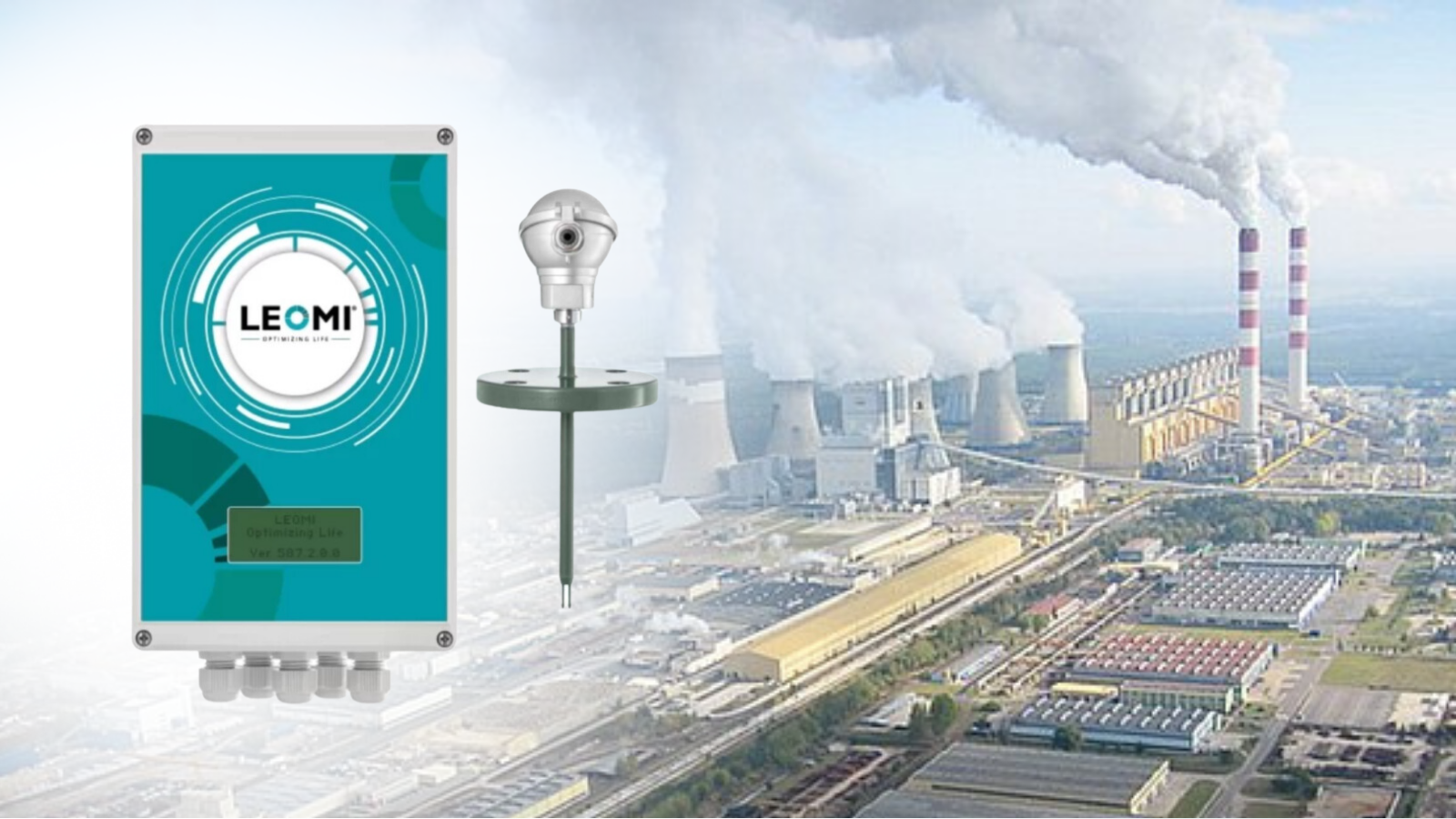
    By accurately measuring and controlling combustion airflow, power plants can significantly reduce unburned carbon, optimize fuel use, and comply with environmental regulations. Leomi’s Thermal Mass Flow Meters provide a precise, real-time solution for optimizing airflow to burners, reducing unburned carbon, and increasing energy output.

    Understanding Unburned Carbon (UBC) and Its Impact on Power Plant Efficiency:

    Unburned carbon (UBC) refers to incomplete combustion residues left in fly ash or bottom ash after fuel is burned in a boiler, furnace, or gasifier. High levels of UBC indicate:

    ✔ Inefficient fuel usage:  A portion of the fuel is wasted instead of being converted into usable energy.

    ✔ Increased emissions: More carbon monoxide (CO), hydrocarbons, and particulate matter (PM) are released into the atmosphere.

    ✔ Higher maintenance costs: Poor combustion results in slagging, fouling, and excessive wear on boiler components.

    ✔ Regulatory non-compliance: Power plants may exceed permitted emission levels set by agencies like the EPA, CPCB, or EU Emission Directives.

    Causes of High Unburned Carbon in Power Plants:

    ✔ Incorrect Air-to-Fuel Ratio: Too much air leads to excessive heat loss, while too little air leads to incomplete combustion.

    ✔ Uneven Air Distribution to Burners: Variations in airflow between burners create areas of poor combustion.

    ✔ Coal or Biomass Variability: Different fuel qualities require dynamic airflow adjustments.

    ✔ Inefficient Boiler or Furnace Design: Older combustion systems may not distribute air effectively.

    ✔ Fluctuating Load Conditions: Airflow must adjust dynamically as plant demand changes.

    The key to reducing unburned carbon is achieving accurate, real-time airflow measurement to ensure complete combustion at all times.

    Why Conventional Airflow Measurement Methods Fail:

    Traditional airflow measurement systems, such as orifice plates, pitot tubes, and differential pressure (DP) meters, often struggle in power plant environments due to:

    ✔ Inability to Measure Low or Variable Flow Rates: These methods rely on pressure differentials that become inaccurate under fluctuating conditions.

    ✔ High Maintenance Needs: Accumulated dust, ash, and slagging can clog the sensors, requiring frequent cleaning.

    ✔ Delayed Response Time: DP-based systems do not offer real-time combustion control adjustments.

    ✔ Temperature and Pressure Compensation Issues: Changes in operating conditions require recalibration.

    To address these shortcomings, power plants are shifting towards advanced digital airflow monitoring solutions, such as Leomi’s Thermal Mass Flow Meters.

    How Leomi’s Thermal Mass Flow Meters Improve Combustion Control in Power Plants:

    1. Direct Mass Flow Measurement Without the Need for Compensation:

    Unlike DP meters, which require temperature and pressure adjustments, Leomi’s thermal mass flow meters directly measure the mass flow rate of air. This means:

      • Consistent and accurate airflow readings regardless of environmental variations.

      • No need for external temperature or pressure sensors, simplifying system integration.

      • More stable control of burner airflow, leading to better combustion efficiency.

    2. Real-Time Airflow Monitoring for Dynamic Combustion Optimization:

    Power plant load conditions change throughout the day, requiring constant airflow adjustments. Leomi’s real-time monitoring capabilities ensure:

      • Instant feedback on airflow variations, enabling automated burner control adjustments.

      • Early detection of burner imbalances, preventing inefficient fuel combustion.

      • Better adaptation to varying fuel compositions (e.g., coal blending, biomass, or mixed fuels).

    3. High Sensitivity to Low-Flow Conditions:

    During start-up, shutdown, or low-load operations, airflow rates fluctuate significantly. Leomi’s thermal mass flow meters offer high sensitivity, ensuring accurate readings even in low-velocity airflows, which is critical for:

      • Avoiding incomplete combustion due to insufficient air.

      • Ensuring proper flame stability and minimizing CO formation.

    4. Minimal Maintenance with No Moving Parts:

    In coal-fired and biomass plants, airborne ash and particulate matter can clog conventional sensors, leading to frequent downtime. Leomi’s meters feature:

      • No moving parts, eliminating wear and tear.

      • Self-cleaning capabilities, preventing sensor contamination.

      • Reduced maintenance costs and increased operational uptime.

    5. Improved Emission Control and Regulatory Compliance:

    Power plants are under strict environmental regulations to limit NOx, CO, and particulate emissions. Leomi’s real-time airflow measurement helps:

      • Maintain the optimal air-to-fuel ratio to minimize NOx formation.

      • Reduce unburned carbon and CO emissions by ensuring complete combustion.

      • Generate compliance-ready reports for EPA, CPCB, and EU regulators.

    Key Benefits of Using Leomi’s Flow Meters for Power Plant Combustion Control:

    ✔ Higher Fuel Efficiency: Maximizing heat output from fuel while minimizing unburned carbon losses.

    ✔ Lower Operating Costs: Reducing fuel wastage and maintenance expenses.

    ✔ Enhanced Boiler Performance: Achieving uniform flame stability and heat distribution.

    ✔ Optimized Air-to-Fuel Ratios: Ensuring the best combustion conditions for different load levels.

    ✔ Reduced NOx and CO Emissions: Helping power plants comply with environmental regulations.

    Conclusion: Achieve Superior Combustion Control with Leomi’s Advanced Airflow Measurement:

    Reducing unburned carbon in power plants is not just about improving efficiency—it’s about reducing emissions, meeting regulatory standards, and optimizing operational costs.

    By adopting Leomi’s Thermal Mass Flow Meters, power plants can:

    • Eliminate inefficiencies caused by poor airflow control.
    • Ensure complete combustion and reduce fuel wastage.
    • Monitor and adjust airflows in real time to maximize performance.
    • Achieve sustainable power generation with lower environmental impact.

    Are You Ready to Enhance Your Power Plant’s Combustion Efficiency?

     🌐 Visit Our Website

    📩 Contact Leomi Today!

  • Enhancing Glass Furnace Efficiency: Precision Combustion Control Using Air Mass Flow Measurement

    Overview:

    In the glass manufacturing industry, efficiency is critical to maintaining production quality, reducing energy consumption, and lowering operational costs. One of the most crucial aspects of ensuring optimal efficiency in glass furnaces is precision in combustion control. The ability to regulate air-to-fuel ratios accurately can significantly impact furnace performance, energy usage, and emission levels.

    Air Mass Flow Measurement has emerged as a vital tool in achieving this precision. Let’s explore how advanced air mass flow meters are driving improved combustion control and enhancing glass furnace efficiency.

    The Role of Combustion in Glass Furnaces:

    Combustion is the heart of any glass furnace. To maintain the desired temperature and ensure consistent product quality, glass furnaces rely on the precise combustion of fuel. The challenge is that air and fuel ratios can vary depending on several factors, including furnace load, fuel type, and environmental conditions. If not properly controlled, incorrect ratios can lead to incomplete combustion, increased emissions, and inefficient energy use.

    The Need for Precision in Combustion Control:

    For glass furnaces to function at peak efficiency, precise control over the amount of air introduced into the furnace during combustion is required. Too much air leads to excess heat loss, while too little can cause incomplete combustion, both of which negatively impact furnace efficiency and lead to higher operational costs.

    This is where air mass flow measurement plays a pivotal role.

    Air Mass Flow Measurement: The Key to Efficiency:

    Air mass flow meters provide real-time data on the amount of air entering the furnace, ensuring the correct air-to-fuel ratio is maintained. Unlike traditional flow measurement techniques, mass flow meters measure the actual mass of air rather than volume, making them far more accurate under varying temperature and pressure conditions.

    Some of the key benefits of air mass flow measurement in glass furnaces include:

    • Improved Energy Efficiency: By precisely measuring the air used in combustion, manufacturers can optimize the air-to-fuel ratio, leading to more efficient combustion and significant energy savings.

    • Enhanced Product Quality: Consistent combustion results in more stable furnace temperatures, which is critical for maintaining glass quality and reducing defects.

    • Lower Emissions: Proper combustion reduces the formation of harmful pollutants like NOx and CO2, helping manufacturers meet environmental regulations and reduce their carbon footprint.

    • Reduced Maintenance: A well-optimized furnace experiences less wear and tear, which extends the lifespan of furnace components and reduces downtime.

    Insertion Thermal Mass Flow Meters: A Game Changer for Glass Furnaces:

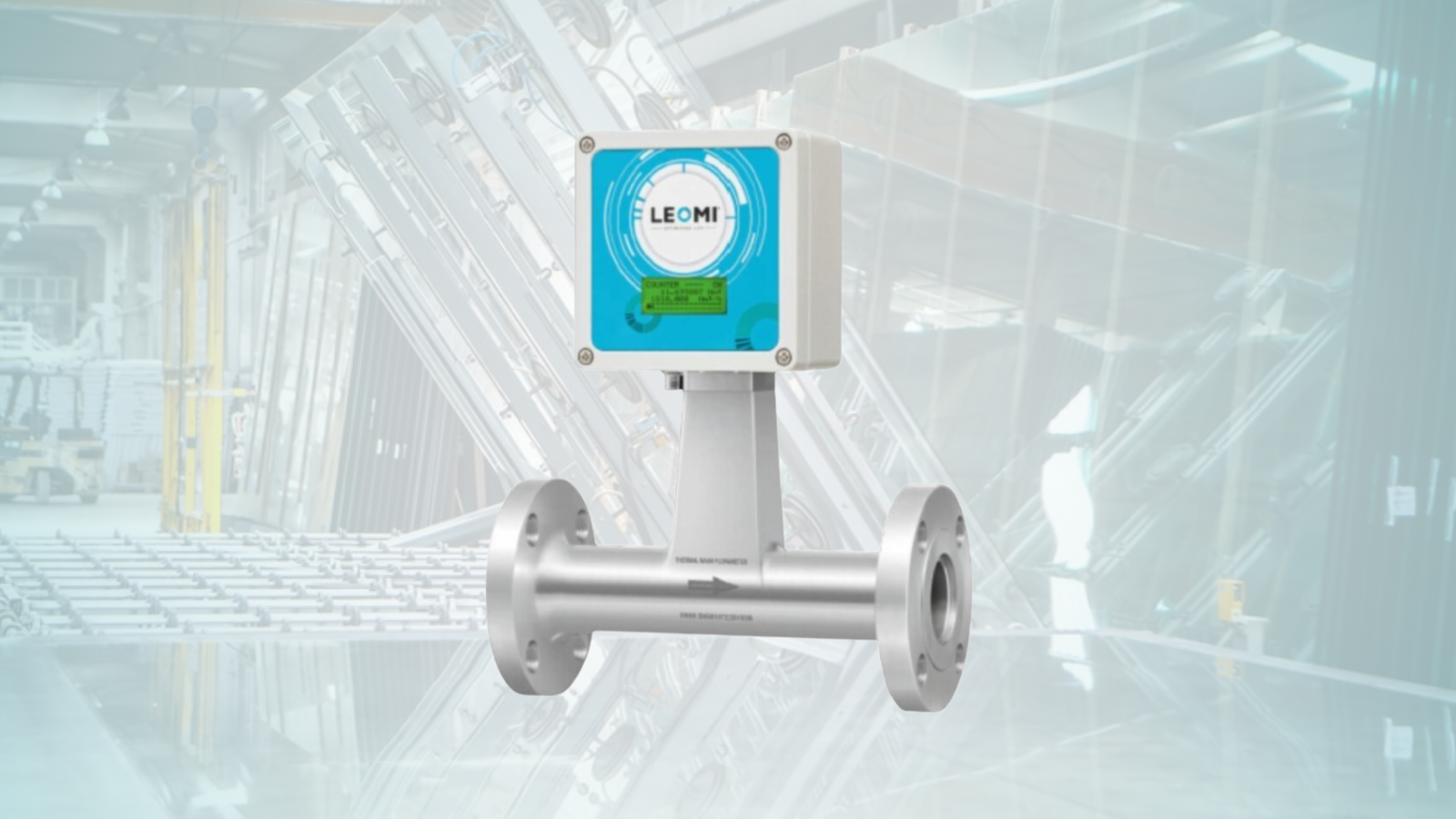
    One of the most efficient and effective tools for air mass flow measurement is the Insertion Thermal Mass Flowmeter. These devices provide highly accurate measurements of air flow by using the principle of heat transfer to determine the mass flow rate.

    Key advantages of using Insertion Thermal Mass Flowmeters in glass furnace operations include:

      • Wide Range of Airflow Measurement: They can measure low and high airflows, making them suitable for varying operational conditions.

      • Low Maintenance: Thermal mass flowmeters have no moving parts, making them more durable and requiring less maintenance compared to other flow measurement technologies.

      • Fast Response Time: The real-time feedback from these meters allows for immediate adjustments to the combustion process, ensuring consistent and optimal performance.

    Real-World Application: Boosting Furnace Efficiency:

    Implementing air mass flow measurement technology has already shown promising results in several glass manufacturing plants. For instance, a recent case study demonstrated that a glass furnace equipped with thermal mass flowmeters saw a 15% reduction in energy consumption and a significant improvement in product uniformity.

    By using precise air mass flow data, the facility was able to fine-tune its combustion process, minimizing heat loss and optimizing fuel usage. This not only reduced energy costs but also extended the furnace’s operational life and decreased downtime for maintenance.

    Conclusion:

    In the glass industry, where energy consumption is a major operational cost, improving furnace efficiency can have a profound impact on both the bottom line and environmental sustainability. Precision combustion control using air mass flow measurement offers a proven solution for optimizing glass furnace performance. By ensuring the right air-to-fuel ratio, manufacturers can achieve more efficient combustion, reduce emissions, and produce higher-quality glass.

    As the industry continues to evolve, integrating advanced measurement technologies like Insertion Thermal Mass Flow Meters will become even more critical for staying competitive and meeting regulatory demands.

  • Enhancing Sustainability in Automobile Manufacturing through Accurate Compressed Air Flow Measurement

    Overview:

    In the automotive manufacturing sector, sustainable practices are no longer optional—they are essential for maintaining competitiveness and meeting environmental standards. From reducing energy consumption to minimizing waste, automakers are under pressure to find innovative ways to make their production processes more eco-friendly. One such way is through optimizing compressed air usage, which plays a pivotal role in manufacturing operations. Accurate compressed air flow measurement can make a significant difference in reducing energy waste, lowering operational costs, and achieving sustainability goals.

    The Importance of Compressed Air in Automotive Manufacturing:

    Compressed air is an indispensable utility in automobile manufacturing, powering numerous processes:

    • Assembly Line Tools: Pneumatic tools rely on compressed air for fastening, drilling, and assembly tasks.

    • Paint Application: Air-driven systems are used to apply coatings uniformly, ensuring a high-quality finish.

    • Cooling and Cleaning: Compressed air helps cool machinery and clean parts, maintaining production quality.

    • Material Handling: Air-powered lifts and conveyors facilitate the movement of heavy components across manufacturing lines.

    However, compressed air systems are often inefficient, with losses of up to 30-50% due to leaks and improper use. Accurate flow measurement helps identify and mitigate this waste, ensuring the system operates optimally and sustainably.

    Why Accurate Compressed Air Flow Measurement Matters:

    Compressed air is one of the costliest energy sources in manufacturing, and its efficient use is key to sustainability. Here’s why accurate measurement is crucial:

      • Energy Efficiency: Precise data allows manufacturers to detect and fix leaks, optimize air pressure, and reduce energy waste, contributing to a more sustainable operation.

      • Cost Savings: Compressed air leaks lead to significant financial losses. Accurate measurement can help control costs by reducing unnecessary energy consumption.

      • Reduced Emissions: Less energy used for compressed air means fewer emissions. Since most compressed air systems are powered by electricity, reducing their use decreases the overall carbon footprint.

      • Equipment Longevity: Monitoring air flow and maintaining optimal system pressure prevent undue stress on compressors and extend equipment lifespan, reducing the need for replacements.

    Technology Used: Thermal Mass Flow Meters:

    One of the most effective technologies for measuring compressed air flow is the Thermal Mass Flow Meter. This device works by measuring the amount of heat that flows through the air stream, providing an accurate measure of air mass flow rate rather than volume. Thermal mass flow meters are particularly valuable because they offer consistent, precise measurements regardless of fluctuations in temperature or pressure. This reliability allows manufacturers to monitor and adjust compressed air usage in real time, ensuring optimal efficiency.

    Benefits of Thermal Mass Flow Meters in Automotive Manufacturing:

    • Improved Energy Efficiency: By maintaining the right air flow, thermal mass flow meters help manufacturers achieve the ideal air-to-energy balance, which reduces energy consumption.
    • Enhanced Reliability: With no moving parts, thermal mass flow meters are low-maintenance and durable, making them ideal for the rigorous demands of manufacturing environments.

    • Fast Response Time: Real-time data allows for immediate adjustments, ensuring that the compressed air system operates at peak efficiency at all times.

    Implementing Sustainable Practices through Compressed Air Flow Measurement:

    1. Conduct a System Audit: Regularly audit the compressed air system to find and address leaks and inefficiencies.

    2. Optimize Compressor Operations: Adjust compressor activity based on flow data to meet real-time demand, reducing overuse.

    3. Continuous Monitoring and Maintenance: Monitor air flow consistently to catch inefficiencies early and schedule preventative maintenance.

    4. Leverage Data Analytics: Use IoT and analytics platforms to interpret flow data, enabling more proactive and efficient system management.

    Real-World Impact: Case Study:

    Automobile manufacturers who have integrated compressed air flow measurements have seen impressive results. For instance, a well-known car manufacturer reduced its compressed air energy consumption by 20% by employing thermal mass flow meters across its production facilities. This led to considerable cost savings and a notable reduction in CO₂ emissions. In addition, they improved their production quality and minimized equipment wear by optimizing air usage and pressure.

    Conclusion:

    In the drive toward a more sustainable future, accurate compressed air flow measurement stands out as a powerful tool for the automotive industry. By enabling energy savings, reducing emissions, and minimizing waste, this technology supports both environmental and economic goals. As automotive manufacturers continue to innovate, investing in flow measurement solutions will play a critical role in creating a greener, more sustainable manufacturing environment.

  • The Importance of Precision: How Accurate Flow Measurement Enhances Biogas Production

    The Importance of Precision: How Accurate Flow Measurement Enhances Biogas Production

    The Importance of Precision: How Accurate Flow Measurement Enhances Biogas Production

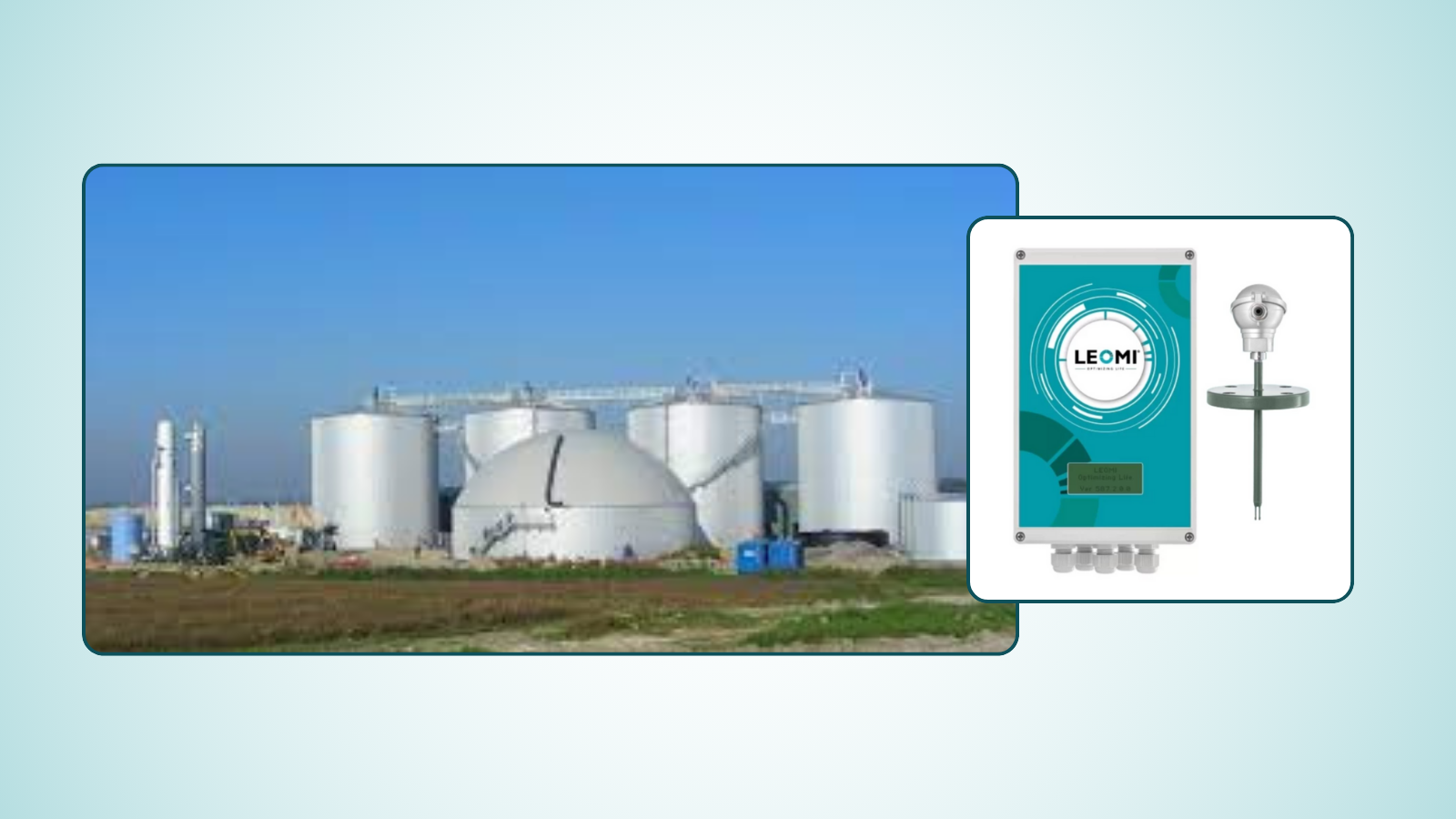
    Biogas production is an intricate process that converts organic waste materials into valuable renewable energy. This sustainable practice not only offers a pathway to generate energy but also plays a critical role in waste management and reducing greenhouse gas emissions. Central to optimizing the production and efficiency of biogas plants is the precision of mass flow measurement. Accurate mass flow measurement within these systems ensures that operational efficiencies are maximized and environmental impacts are minimized.

    Why is Flow Measurement Critical?

    Flow measurement in biogas production involves monitoring and controlling the amount of raw biogas that flows from the digester to storage and eventually as a CNG fuel or the point of use or energy conversion. The flowrate of biogas needs to be measured accurately for several reasons:

    1. Process Efficiency: Proper flow measurement allows operators to adjust and control the digestion process more effectively. It ensures that optimal conditions are maintained within the digester, promoting the microbial activity essential for methane production.
    2. Economic Performance: By ensuring that the flow rates are maintained within specified limits, operators can maximize the yield of methane, thereby improving the economic viability of biogas plants.
    3. Environmental Compliance: Precise measurement helps in monitoring the volume of greenhouse gases produced or Zero flaring, aiding compliance with environmental regulations.

    Challenges in Biogas flow measurement : 

    • Gas mixtures with varying H2S content
    • Too low flowrates in large pipe diameters
    • Varying moisture content and organic dirt

    Technologies for Accurate Flow Measurement :

    Several technologies are available for measuring the flow of biogas, each with its own set of advantages and challenges:

    • Thermal Mass Flow Meters: This measures mass flow rate independent of pressure and temperature variations and works in very low static pressures. Most effective in such environment for biogas flow measurements.
    • Ultrasonic Flow Meters: Non-contact measures time-of-flight of sound waves to measure volumetric flowrate. It works well in dry gas environment yet high cost solution.
    • Differential Pressure Meters: Traditional and rugged measures volumetric flowrate with differential pressure measurement across restriction flow element in pipe cross section. Widely used due to their simplicity and cost-effectiveness.

    Each technology offers different benefits, and the choice depends on specific plant requirements, including the nature of the biogas, budget constraints, and desired accuracy levels.

    The Role of Precision in Operational Success :

    The precision of flow measurements can directly impact the operational success of a biogas plant. Here are a few ways through which precision plays a pivotal role:

    • Optimized Feedstock Addition: Accurate flow measurements allow for precise control over the amount of feedstock added to the digesters. This control is crucial because too much or too little feedstock can disrupt the microbial balance necessary for efficient biogas production.
    • Enhanced Energy Recovery: By precisely measuring biogas flow, plants can optimize the usage of biogas in engines or boilers, thereby enhancing energy recovery and reducing wastage.
    • Preventive Maintenance: Accurate data on flow rates can help predict maintenance needs and potential system failures before they become critical, reducing downtime and maintenance costs.

    Conclusion:

    In conclusion, the importance of precision in the flow measurement of biogas cannot be overstated. It is a cornerstone for achieving high efficiency, safety, and profitability in biogas production facilities. As the industry grows and technologies advance, the focus on innovative measurement solutions that offer greater accuracy and reliability will likely intensify. For operators and stakeholders in biogas production, investing in high-quality flow measurement technologies is not just a technical necessity but a strategic asset that can define the success of their operations.

    This investment, combined with a deep understanding of the operational dynamics of biogas production, can lead to more sustainable and profitable outcomes, contributing significantly to the broader goals of renewable energy generation and environmental stewardship.

  • Optimizing Glass Production: The Role of Thermal Mass Flow Meters in Furnace Combustion Control

    Optimizing Glass Production: The Role of Thermal Mass Flow Meters in Furnace Combustion Control

    Introduction:

    The glass manufacturing industry relies heavily on the efficiency and stability of its furnace operations. Advanced control of air flow in furnace combustion processes not only enhances the production quality but also significantly cuts down on operational costs. This blog explores the application of thermal mass flow meters in regulating these processes, focusing on their impact on furnace longevity, fuel efficiency, and overall production efficacy.

    The Criticality of Controlled Air Flow in Glass Melting Furnaces:

    In the glass industry, the melting furnace is the heart of manufacturing operations. Modern glass furnaces, including regenerative side or end port furnaces and recuperative furnaces, benefit immensely from a controlled and stable combustion process. Achieving a stable combustion environment is crucial as it leads to improved furnace longevity and optimal fuel consumption, with potential energy savings up to 2%. This not only ensures a fast return on investment but also contributes to a more consistent quality in glass production.

    Challenges Of Thermal mass flow meters in Furnace Combustion Control:

    The glass furnace melting process is intricate and requires meticulous control over numerous variables. One of the primary challenges is managing the combustion control smoothly to avoid rapid changes that could introduce disturbances. Furthermore, the inherent reversal sequence in regenerative furnaces disrupts the control of combustion, despite providing an efficiency improvement of about 80%.

    Role of Thermal Mass Flow Meters in Combustion Furnace Control

    Thermal mass flow meters are pivotal in enhancing the control of air flow in furnace operations. These devices measure the mass flow rate of air directly at the inlet point of combustion, providing crucial data that helps maintain the correct air-to-fuel ratio—a key factor in achieving efficient combustion without producing harmful byproducts like carbon monoxide (CO).

    Fine-Tuning Combustion with Precision:

    The control of the air-to-fuel ratio in furnaces is sophisticated, requiring consideration of factors like parasitic air—air that leaks into the combustion process unintentionally. This is where thermal mass flow meters demonstrate their value. They help in accurately measuring the actual combustion air available, which is critical for adjusting the fuel/air ratio controller to operate close to the stoichiometric values (ideal theoretical points where fuel and oxygen burn completely).

    Benefits of Implementing Thermal Mass Flow Meters:
    1. Enhanced Fuel Efficiency: By providing accurate real-time data on the air flow, these meters allow for precise adjustments in the air-to-fuel ratio, leading to significant fuel savings and reduced environmental impact due to lower emissions of nitrogen oxides (NOx) and other pollutants.
    2. Reduced Operational Costs: The ability to maintain a stable and efficient combustion process reduces wear and tear on the furnace and extends its operational life, thereby lowering maintenance costs and downtime.
    3. Improved Product Quality: Stable combustion controls the heating environment within the furnace, leading to uniform glass production and higher quality end products.

    Conclusion:

    The integration of Thermal Mass Flow Meters into furnace operations in the glass industry marks a significant step towards modernizing and optimizing production processes. These devices play a crucial role in ensuring efficient, cost-effective, and environmentally friendly glass manufacturing. By empowering operators with the right technology and knowledge, the industry can achieve better control over its processes, leading to improved output and sustainability.
    In conclusion, the application of thermal mass flow meters in glass furnace combustion control not only addresses the technical challenges but also supports the industry’s move towards more advanced, reliable, and cleaner production techniques. 

  • Enhancing Boiler Efficiency and Safety: The Strategic Control of Secondary Air Flow to Coal Mills with Thermal Mass Flow Meters

    Enhancing Boiler Efficiency and Safety: The Strategic Control of Secondary Air Flow to Coal Mills with Thermal Mass Flow Meters

    Introduction:

    In the quest for operational excellence in power generation, enhancing boiler efficiency while ensuring safety is paramount. One of the critical areas of focus is the optimization of primary air flow to coal mills, which plays a significant role in combustion efficiency and, consequently, overall boiler performance. This blog explores the strategic control of secondary air flow to coal mills using thermal mass flow meters, a technique that promises to optimize combustion, reduce emissions, and enhance safety.

    The Importance of Accurate Air Flow Measurement:

    The combustion process in coal-fired power plants involves the burning of pulverized coal in the presence of air. The air provided during this process is classified into primary and secondary air, where primary air is mixed with coal to form a combustible mixture, and secondary air is injected to sustain combustion. The strategic control of secondary air flow to coal mills using thermal mass flow meters offers a proven solution for enhancing boiler efficiency and safety. By providing accurate, real-time air flow data, The precise measurement and control of this secondary air are crucial because:

    • Optimal air-to-fuel ratio: Ensuring the correct proportion of air to fuel is essential for complete combustion. An imbalance can lead to unburned carbon, resulting in lower efficiency and higher emissions.
    • Temperature regulation: Excessive secondary air can lower the flame temperature, affecting the efficiency and formation of pollutants.
    • Safety: Proper airflow prevents potentially hazardous conditions like coal mill explosions, which can occur due to high concentrations of volatile gases in the mill.

    Working Principles of Thermal Mass Flow Meters:

    Thermal mass flow meters (TMFMs) provide a direct method for measuring the mass flow of air/gases, independent of temperature and pressure changes, making them ideal for boiler applications. Their principle of operation involves measuring the amount of heat dissipated due to air flow from a heated sensor is proportional to the mass flow rate.

    Benefits of TMFMs:

    1. High Accuracy and Rangeability: TMFMs offer excellent accuracy and high turn down ratio (100:1), crucial for maintaining the air-to-fuel ratio within tight tolerances.
    2. Direct Mass Flow Measurement: Unlike volumetric meters (DP Type), TMFMs measure the mass flow directly, which is necessary for process control.
    3. Low Maintenance: These meters have no moving parts and require less maintenance, reducing downtime and operational costs.
    4. Rapid Response Time: TMFMs provide quick readings, enabling real-time adjustments to the combustion process, and enhancing both efficiency and safety.

    Implementing TMFMs in Coal Mills:

    The implementation of TMFMs in controlling secondary air flow involves several strategic steps:

    • Installation Location: Meters are typically installed at strategic points where secondary air is injected into the boiler. This placement ensures the best representation of air flow that affects combustion.
    • Integration with Control Systems: TMFMs are integrated with the plant’s control system. This integration allows for automated adjustments to the air flow based on real-time data, optimizing the combustion process continuously.
    • Data Analysis and Adjustments: Continuous monitoring and analysis of data collected from TMFMs enable operators to make informed decisions about adjustments needed for improving efficiency and reducing emissions.

    Case Studies and Results:

    Several coal-fired power plants have reported improvements in boiler efficiency and reductions in emission levels after implementing thermal mass flow meters for controlling secondary air. These plants have observed:

    • A reduction in unburned carbon in fly ash by up to 50%.
    • Improved boiler efficiency by up to 2%, which translates to significant fuel savings over time.
    • Enhanced safety with a marked reduction in the incidence of mill explosions.

    Conclusion:

    TMFMs enable power plants to optimize combustion, reduce emissions, and operate safely. As the energy industry continues to focus on operational efficiency and environmental compliance, the role of advanced technologies like TMFMs becomes increasingly critical in achieving these objectives.

  • Enhancing NOx Reduction in Thermal Power Plants

    Enhancing NOx Reduction in Thermal Power Plants

    The Strategic Role of Flue Gas Recirculation (FGR) and the Use of Insertion Thermal Mass Flow Meters

    Introduction:

    Thermal power plants are essential for meeting global energy demands but also present significant environmental challenges, particularly with nitrogen oxides (NOx) emissions. These pollutants critically impact air quality and public health. Flue gas recirculation (FGR) is a proven strategy to mitigate these emissions by recirculating exhaust gases back into the combustion chamber. This blog examines how FGR flow management, specifically through the use of insertion thermal mass flow meters, can significantly enhance NOx reduction efforts.

    The Basics of Flue Gas Recirculation (FGR) in NOx Control

    Flue Gas Recirculation (FGR) reduces NOx emissions by diluting the oxygen concentration and lowering combustion temperatures in the combustion chamber. The technique’s success hinges on precise control and measurement of the recirculated gas flow, which directly affects combustion dynamics and efficiency.

    Challenges in FGR Implementation:

    Implementing FGR is challenging due to several factors:

    • Flow Rate Accuracy: Accurate flow rates are crucial for effective NOx reduction while maintaining operational efficiency.
    • Variable Gas Compositions: Fluctuating gas compositions can complicate flow measurement due to changes in gas density and flow characteristics.
    • Thermal and Mechanical Stresses: High temperatures and the corrosive nature of flue gases can degrade flow measurement instruments.

    The Critical Role of Insertion Thermal Mass Flow Meters:

    Insertion thermal mass flow meters address these challenges by measuring gas flow based on thermal properties. Key benefits include:

    • Direct Mass Flow Measurement: These meters measure mass flow directly, which is unaffected by temperature and pressure changes, ensuring accurate flow measurements.
    • Minimal Pressure Drop: They introduce minimal pressure drop, crucial for maintaining FGR system efficiency.
    • Robust Design: They are capable of withstanding harsh environments, ensuring reliable performance under typical flue gas conditions.

    Advantages Over Conventional Technologies:

    Insertion thermal mass flow meters offer several advantages over traditional flow measurement technologies:

    • Installation Flexibility: They can be easily inserted into existing pipelines, reducing downtime and installation costs.
    • Low Maintenance: With no moving parts, these meters require less maintenance and offer enhanced long-term reliability.
    • Real-time Data for Better Control: Providing real-time flow data, these meters enable dynamic adjustments to the FGR system for optimal NOx control and operational efficiency.

    Best Practices for Implementing FGR Systems:

    Best practices for effective FGR system implementation include:

    • Proper Meter Selection: Select meters based on specific flue gas characteristics and operational requirements.
    • Regular Calibration and Maintenance: Maintain meter accuracy and longevity through regular checks and upkeep.
    • Integration with Plant Control Systems: For real-time monitoring and adjustments, integrate flow meters with automated plant control systems.

    Conclusion:

    Effective FGR flow management is crucial for reducing NOx emissions in thermal power plants. Insertion thermal mass flow meters, particularly models like the Leomi Insertion Thermal Mass Flow Meter, offer a sophisticated solution for precise flow measurement and control, enhancing the efficiency of FGR systems. The Leomi meter is recognized for its accuracy, durability, and ease of integration, making it a significant advancement in flow measurement technology.

    Leomi Thermal Mass Flow Meters are specifically designed for the challenging environments of thermal power plants. They are highly effective in measuring flue gases due to their ability to provide accurate mass flow measurements, cost-effective solutions for large duct calibrations, and customized sensor options. Their simple design ensures easy operation and minimal maintenance, while their capability to handle a wide range of flow measurements makes them highly adaptable to various operational needs.

    Adopting such innovative solutions as the Leomi meters is essential for thermal power plants aiming to meet stricter environmental regulations and improve overall operational efficiency. This strategic implementation not only aids in compliance but also boosts the performance and sustainability of power generation facilities, making Leomi a preferred choice in the industry.